How to Make Pumpkin Pie Spice (and 4 More Fall Spice Blends)
Here is how to make pumpkin pie spice at home with exact ratios, plus an apple pie spice recipe, chai, gingerbread, mulling spice, and smart swaps.
Jump to recipe ↓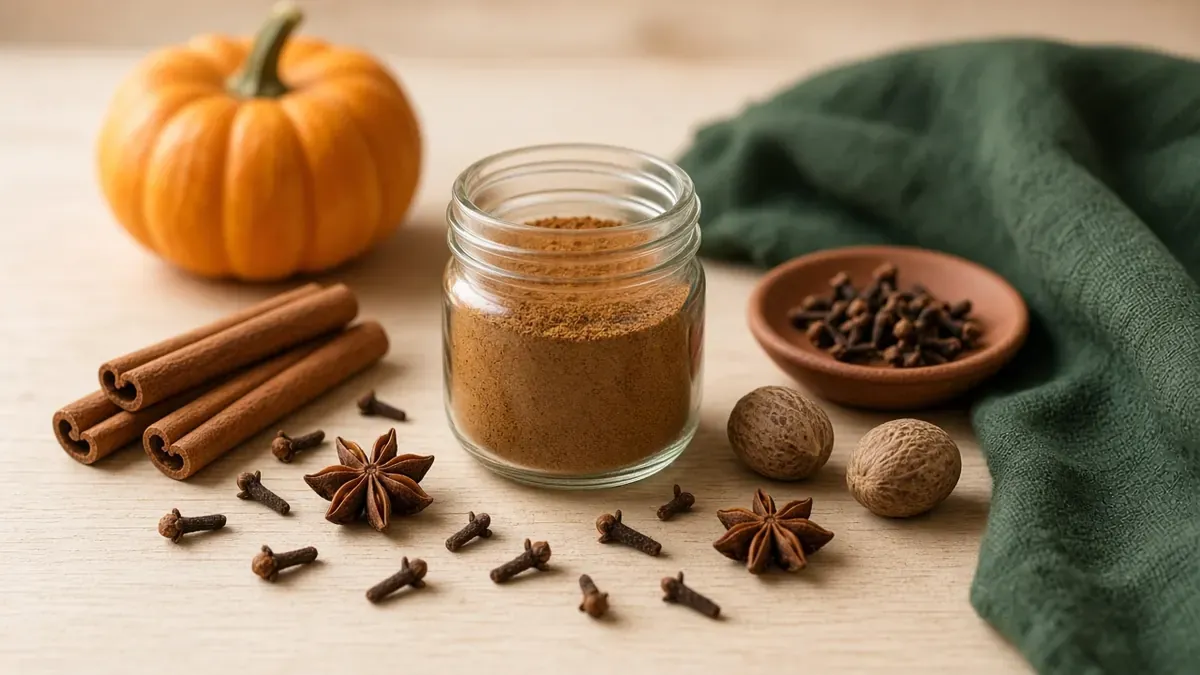
In this article
- Why Homemade Fall Spice Blends Make Sense
- What Goes Into Pumpkin Pie Spice
- How to Make Pumpkin Pie Spice in 5 Minutes
- Exact Ratios for All Five Blends
- Apple Pie Spice Recipe
- Chai Spice Blend
- Gingerbread Spice Blend
- Mulling Spice for Apple Cider
- Pumpkin Pie Spice Substitute Options
- How to Store Homemade Spice Blends
- Who Should Be Careful
- When to See a Doctor
- Common Mistakes When You Make Spice Blends
- How to Make Pumpkin Pie Spice FAQ
- Your Next Spice Jar
If you have ever wondered how to make pumpkin pie spice, the answer takes about five minutes. Once you know how to make pumpkin pie spice, you can mix four more fall blends with the same spoons and jars. That means fresher flavor, less waste, and fewer single-use tins crowding your cabinet.
Store-bought blends work fine, of course, so this guide stays pressure-free. However, a homemade mix lets you control every ratio and skip anything you dislike. It also uses spices you probably own already, so it often costs less than buying a new jar.
This guide gives you exact measurements, simple steps, and storage advice from university extension sources. You also get honest safety notes, because even kitchen spices deserve respect.
What you will get from this guide:
- A five-ingredient pumpkin pie spice with exact ratios.
- Four more fall blends: apple pie, chai, gingerbread, and mulling spice.
- A side-by-side ratio table for all five blends.
- Smart swaps when you need a pumpkin pie spice substitute.
- Storage tips that keep blends fragrant longer.
- Safety notes on nutmeg, cinnamon, and allergies.
Why Homemade Fall Spice Blends Make Sense
Homemade blends give you control. You choose the ratio, the freshness, and the batch size.
Pre-mixed jars often sit on store shelves for a while before they reach your kitchen. Meanwhile, you may already own cinnamon, ginger, nutmeg, and cloves. So learning how to make pumpkin pie spice turns those jars into something you will actually use up.
Batch size matters, too. Once you learn how to make pumpkin pie spice, you can mix just a few weeks' worth, so it stays fragrant. In contrast, a large commercial tin can linger for years and fade.
Here is what homemade blending gives you:
- Exact ratios that match your taste.
- Smaller batches with fresher aroma.
- No need to buy a separate jar for every recipe.
- Easy tweaks, such as less clove or more ginger.
Above all, the method stays simple. You measure, you whisk, and you pour. Therefore, even a busy weeknight leaves enough time to restock your fall spice shelf.
What Goes Into Pumpkin Pie Spice
Classic pumpkin pie spice uses five ground spices. Each one plays a clear role.
Cinnamon forms the base and brings warm sweetness. Meanwhile, ginger adds a gentle bite, and nutmeg brings a nutty, rounded note.
Allspice tastes like a mix of several spices at once. Finally, cloves add depth, though a little goes a long way.
Most cinnamon in US stores comes from cassia. According to the NCCIH cinnamon page, cassia cinnamon is the most common type sold in North America. Ceylon cinnamon, often called "true" cinnamon, tastes lighter and costs more. Either type works here, so pick the one you like.
Before you learn how to make pumpkin pie spice, check each jar. Rub a pinch between your fingers and smell it. If the aroma seems faint, replace that spice first. Otherwise, your finished blend will taste flat no matter how carefully you measure.
How to Make Pumpkin Pie Spice in 5 Minutes
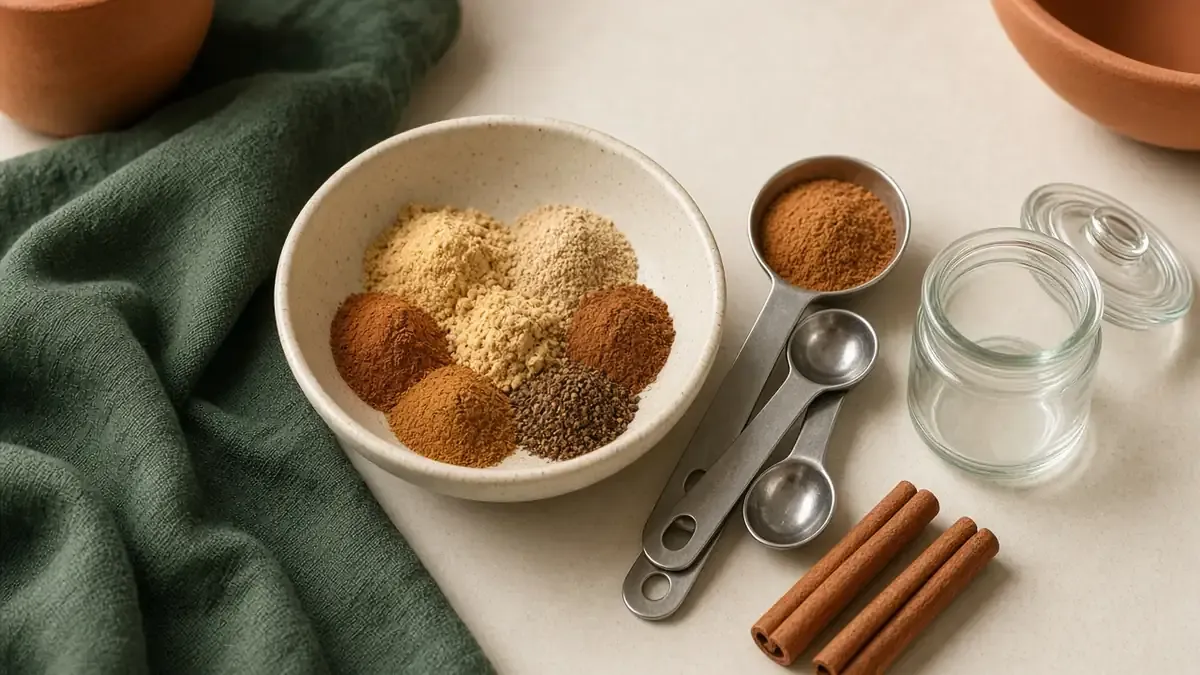
This part goes quickly. First, gather your spices, a small bowl, and a clean jar.
- Measure 3 tablespoons ground cinnamon into a small bowl.
- Add 2 teaspoons ground ginger.
- Add 2 teaspoons ground nutmeg.
- Add 1 1/2 teaspoons ground allspice.
- Add 1 1/2 teaspoons ground cloves.
- Whisk with a fork until the color looks even.
- Funnel the blend into a dry jar, seal it, and add a date label.
That batch makes about 1/3 cup. In practice, that covers several pies, muffin batches, or pans of roasted squash.
For accuracy, always use level measurements. Scrape a knife across each spoon so the ratio stays balanced. Also, break up any clumps in the bowl, because clumps hide pockets of pure clove.
Want a stronger finish? Grate whole nutmeg fresh instead of using pre-ground. Whole spices generally keep their aroma longer, so a whole nutmeg makes a smart pantry staple.
Now you know how to make pumpkin pie spice from scratch. Next, the same bowl and spoons handle four more fall blends.
Exact Ratios for All Five Blends
This table puts every blend side by side. All amounts use ground spices unless noted.
| Blend | Spices and amounts | Approximate yield |
|---|---|---|
| Pumpkin pie spice | 3 Tbsp cinnamon, 2 tsp ginger, 2 tsp nutmeg, 1 1/2 tsp allspice, 1 1/2 tsp cloves | About 1/3 cup |
| Apple pie spice | 4 tsp cinnamon, 1 tsp nutmeg, 1/2 tsp allspice, 1/2 tsp ginger | About 2 Tbsp |
| Chai spice | 2 tsp cinnamon, 2 tsp ginger, 1 tsp cardamom, 1/2 tsp cloves, 1/2 tsp allspice, 1/4 tsp black pepper | About 2 Tbsp |
| Gingerbread spice | 2 tsp ginger, 2 tsp cinnamon, 1 tsp cloves, 1/2 tsp nutmeg, 1/2 tsp allspice | About 2 Tbsp |
| Mulling spice (whole) | 4 cinnamon sticks, 1 Tbsp whole cloves, 1 Tbsp whole allspice berries, 2 star anise pods, 1 Tbsp dried orange peel | One small jar |
Next, notice the pattern. Cinnamon leads most blends, while cloves stay small. As a result, you can scale any row up or down by keeping the same proportions.
To double a batch, simply double every number. To halve it, divide each amount by two. Either way, the flavor stays consistent once you know how to make pumpkin pie spice and its cousins by ratio.
Apple Pie Spice Recipe
Apple pie spice tastes lighter than pumpkin pie spice. It leans on cinnamon and skips most of the clove.
This apple pie spice recipe uses four ground spices:
- 4 teaspoons cinnamon.
- 1 teaspoon nutmeg.
- 1/2 teaspoon allspice.
- 1/2 teaspoon ginger.
First, whisk everything in a small bowl. Then store it in a labeled jar. The batch yields about 2 tablespoons, which suits a pie or two plus a pan of baked apples.
Why less clove? Apples taste delicate, so strong clove can overpower them. Instead, nutmeg and allspice add warmth without hiding the fruit.
Use this apple pie spice recipe in crisps, oatmeal, applesauce, and pear desserts. It also works on roasted sweet potatoes when you want a softer spice note. For more sweet ideas, try our easy high-protein dessert ideas.
If you already know how to make pumpkin pie spice, this blend feels familiar. In fact, you can think of it as a cinnamon-forward cousin. Keeping both jars helps, because each suits different fruits. Finally, a small batch of this apple pie spice recipe stays fresh through the whole apple season.
Chai Spice Blend
Chai spice brings more heat and a floral note. Cardamom and black pepper set it apart.
Mix these ground spices:
- 2 teaspoons cinnamon.
- 2 teaspoons ginger.
- 1 teaspoon cardamom.
- 1/2 teaspoon cloves.
- 1/2 teaspoon allspice.
- 1/4 teaspoon black pepper.
The batch makes about 2 tablespoons. Stir a pinch into warm milk, coffee, or brewed black tea. Alternatively, fold it into pancake batter, banana bread, or a simple oatmeal bowl.
Above all, cardamom carries this blend, so buy a fresh jar if yours smells dusty. Meanwhile, the black pepper adds a soft tingle rather than sharp heat. Start with a little in drinks, then adjust to taste.
Chai spice also pairs well with pumpkin. For example, swap it into a pumpkin bread for a brighter, more aromatic loaf. Because the ratios differ, though, expect a different flavor from classic pumpkin pie spice.
Gingerbread Spice Blend
Gingerbread spice puts ginger in front. Cloves play a bigger role here than in apple blends.
Mix these ground spices:
- 2 teaspoons ginger.
- 2 teaspoons cinnamon.
- 1 teaspoon cloves.
- 1/2 teaspoon nutmeg.
- 1/2 teaspoon allspice.
The batch yields about 2 tablespoons. Use it in gingerbread cookies, molasses cake, spiced granola, or a quick glaze for roasted carrots.
Because this blend tastes bold, measure carefully. Too much clove can turn bitter. On the other hand, extra ginger simply adds more zing, which many people enjoy.
Gingerbread spice makes a handy backup, too. If you run out of pumpkin pie spice, this jar comes close in a pinch, although it tastes more gingery. Next, you will learn a whole-spice blend that works differently from the four ground ones above.
Mulling Spice for Apple Cider
Mulling spice uses whole spices, not powders. You simmer it in apple cider, then strain it out.
Combine these in a small jar:
- 4 cinnamon sticks, broken into pieces.
- 1 tablespoon whole cloves.
- 1 tablespoon whole allspice berries.
- 2 star anise pods.
- 1 tablespoon dried orange peel.
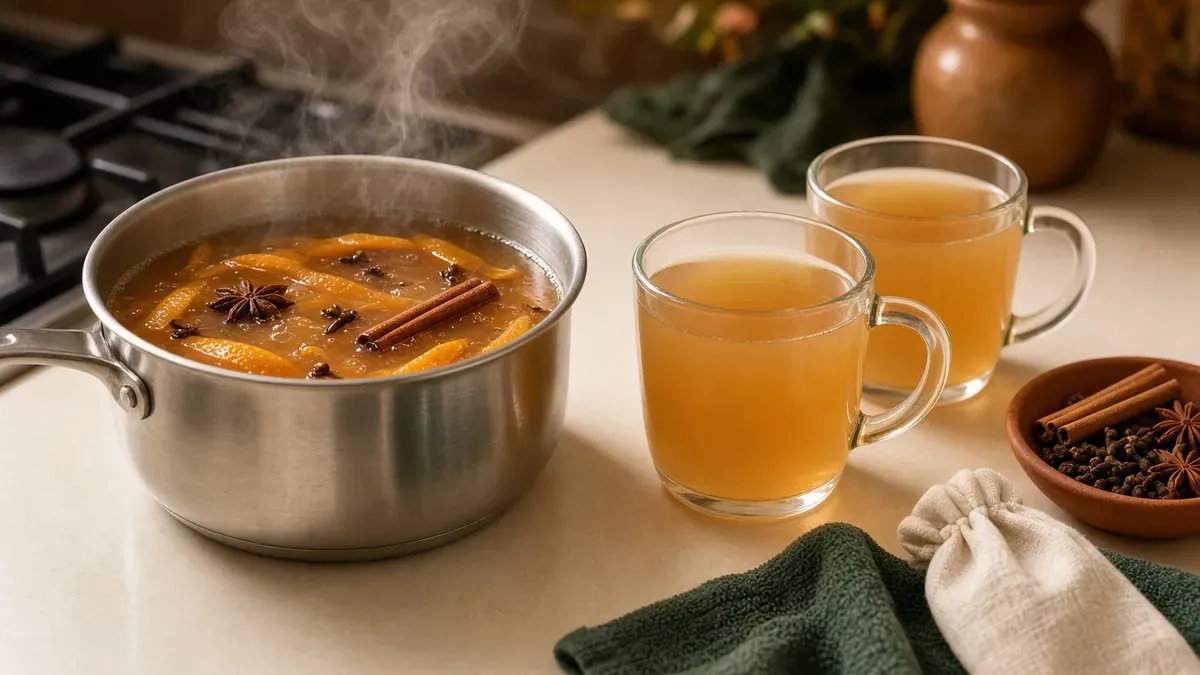
To use it, add a spoonful or two to a pot of apple cider. Then warm the cider gently on the stove and let the spices steep. Finally, strain out the solids before serving. A tea infuser or small cheesecloth bundle makes cleanup easy.
Whole spices keep their aroma longer than ground ones. For that reason, this blend often stays fragrant well past your ground mixes. Kansas State guidance lists whole spices at 3 to 4 years for quality.
Besides cider, mulling spice also scents your kitchen beautifully. Simply simmer a spoonful in a pot of water on low heat, and keep an eye on the water level.
Pumpkin Pie Spice Substitute Options
No jar on hand? You still have options. A pumpkin pie spice substitute can come straight from your rack.
Try these swaps for 1 teaspoon of pumpkin pie spice:
- 1/2 teaspoon cinnamon, 1/4 teaspoon ginger, plus a pinch each of nutmeg and cloves.
- 1 teaspoon apple pie spice, which tastes lighter and less spicy.
- 1 teaspoon gingerbread spice, which tastes stronger and more gingery.
- 3/4 teaspoon cinnamon plus 1/4 teaspoon nutmeg for a simple two-spice version.
The first option comes closest to the real blend. In contrast, the two-spice option works when your cabinet runs thin.
A good pumpkin pie spice substitute keeps cinnamon as the base. After that, small amounts of the stronger spices fill in the gaps. Taste the batter or filling, then adjust gradually.
Of course, the best pumpkin pie spice substitute is a fresh batch. Once you understand how to make pumpkin pie spice, mixing a new jar takes less time than a trip to the store.
How to Store Homemade Spice Blends
Store blends somewhere cool, dark, and dry. Heat, light, and moisture all dull flavor.
Texas A&M AgriLife Extension recommends tightly covered containers kept in a dark cabinet or drawer. It also advises against spots above the dishwasher, microwave, stove, or refrigerator, or near a sink or heating vent.
How long do blends stay at their best? Kansas State University lists seasoning blends at 1 to 2 years, ground spices at 2 to 3 years, and whole spices at 3 to 4 years. However, your blend can only taste as fresh as the oldest spice inside it.
Storage tips that help:
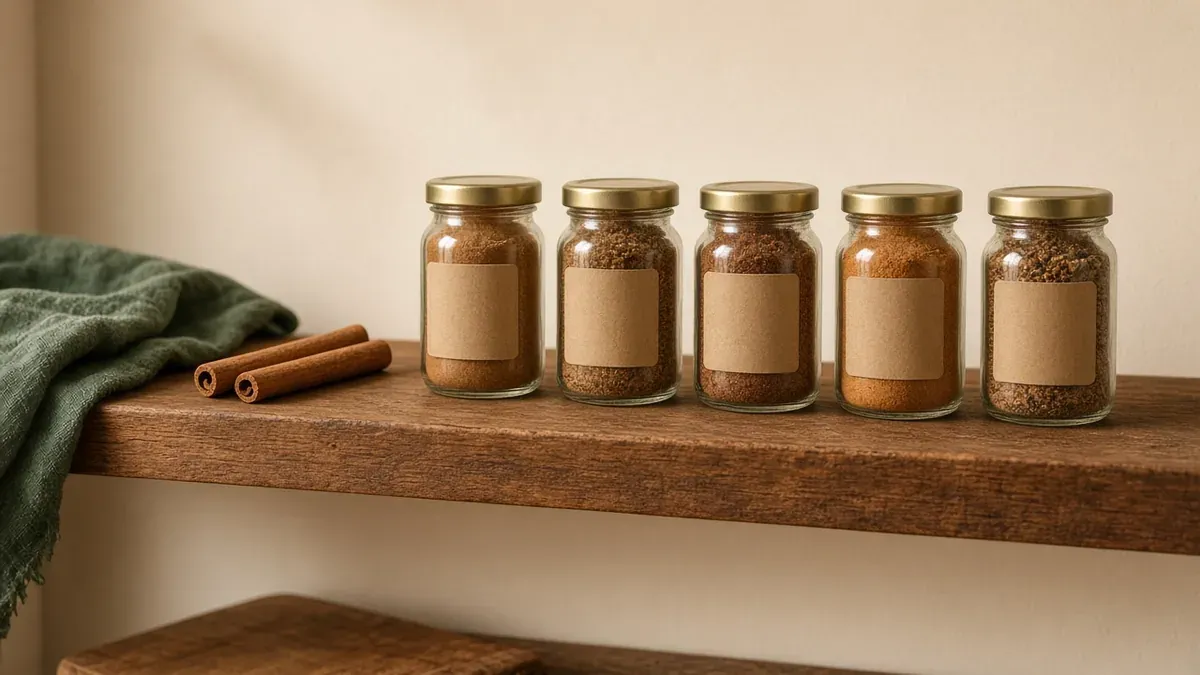
- Use small glass jars with tight lids.
- Label each jar with the blend name and mixing date.
- Keep a dry spoon for scooping, never a wet one.
- Shake the jar before each use, since spices can settle.
- Mix small batches you will use within a season.
Texas A&M also notes that spices lose aroma and flavor over time rather than spoiling like other foods. Therefore, use your nose. Strong aroma, potent taste, and vibrant color signal a good blend. Discard any jar with mold or damp clumps.
Want more pantry jar projects? Browse our kitchen herbal apothecary guide.
Who Should Be Careful
Kitchen spices feel harmless, yet a few cautions apply. So read these before you bake, even if you already know how to make pumpkin pie spice.
- Spice allergies or sensitivities: Any food can trigger a reaction in some people. If a spice has bothered you before, leave it out or ask your clinician.
- Large amounts of nutmeg: Poison Control warns that too much nutmeg can cause nausea, vomiting, agitation, prolonged drowsiness, and even coma. Use only recipe amounts, and keep nutmeg and mace out of children's reach.
- Cassia cinnamon in high amounts: NCCIH notes that cassia contains coumarin, and some cassia products contain high levels. According to NCCIH, prolonged use could pose an issue for sensitive people, such as those with liver disease. NCCIH adds that cassia in food doesn't usually contain enough coumarin to cause significant problems. NCCIH also says Ceylon cinnamon in larger amounts during pregnancy is considered unsafe.
- Children and pets: Small children may scoop spoonfuls from an open jar. So store blends up high, close lids tightly, and keep jars away from pets as well.
- People taking medicines: NCCIH advises talking with your health care provider before using cinnamon as an herbal product if you take any medicine.
- The "cinnamon challenge": NCCIH warns against swallowing dry cinnamon powder as a dare, because serious harm is possible.
Also, remember that these blends serve as flavorings. NCCIH states that research doesn't clearly support using cinnamon for any health condition.
When to See a Doctor
Most spice mishaps stay minor. Still, some signs need fast action.
The FDA's food allergy guide lists common allergic reaction signs:
- Hives, flushed skin, or rash.
- Tingling or itching in the mouth.
- Swelling of the face, tongue, lips, or throat.
- Vomiting, diarrhea, or stomach cramps.
- Coughing, wheezing, or trouble breathing.
- Dizziness or lightheadedness.
If you notice these symptoms, stop eating the food. The FDA notes that mild symptoms can progress to anaphylaxis quickly. So call 911 for trouble breathing, throat swelling, or fainting, and seek medical care for any reaction.
Did someone swallow a large amount of nutmeg or another spice? Call Poison Control at 1-800-222-1222, which Poison Control describes as free, confidential, and open 24 hours a day. Similarly, call right away if a child got into a spice jar and you feel unsure.
Finally, contact a clinician about ongoing stomach upset, skin irritation, or any reaction that worries you. If a pet eats a large amount of spice, call your veterinarian.
Common Mistakes When You Make Spice Blends
A few small slips can flatten a great blend. Luckily, each one has an easy fix.
- Using stale spices. Your blend tastes only as fresh as its oldest jar. So smell each spice first.
- Heaping the spoons. Rounded spoons throw off the ratio. Instead, level every measure.
- Overdoing cloves. Cloves overpower fast, so measure them carefully.
- Skipping the whisk. Spices settle and clump. Therefore, whisk until the color looks even.
- Storing jars by the stove. Heat dulls aroma, as Texas A&M points out. Choose a dark cabinet instead.
- Mixing giant batches. Large batches fade before you finish them. Mix small amounts more often.
Another common slip involves labels. Without a date, you cannot tell how old a jar is. Also, a vague label makes it easy to grab gingerbread spice when you wanted the apple blend.
Learning how to make pumpkin pie spice well comes down to these habits. In short, fresh spices, level spoons, and a dark cabinet do most of the work. Likewise, the same rules apply to every blend in this guide, so once you master how to make pumpkin pie spice, the others follow naturally.
How to Make Pumpkin Pie Spice FAQ
Here are quick answers to common questions. Each one stays short.
How to make pumpkin pie spice without allspice?
Skip it and add a pinch more cinnamon and cloves. As a result, the flavor stays close.
How long does homemade pumpkin pie spice stay fresh?
Kansas State lists seasoning blends at 1 to 2 years for quality. Smell the jar, and remix when the aroma fades.
How to make pumpkin pie spice with whole spices?
First, use a clean spice grinder. Grind each spice, then measure. Freshly ground spices often taste stronger, so start with a little less.
Is apple pie spice a good pumpkin pie spice substitute?
It works in a pinch. However, it tastes lighter, so add a pinch of ginger and cloves.
How much pumpkin pie spice goes in one pie?
Follow your pie recipe's amount. Then adjust next time to your taste.
Is it cheaper to learn how to make pumpkin pie spice at home?
Often, yes, especially if you already own the single spices. You also avoid buying blends you rarely finish.
Your Next Spice Jar
You now have five blends and one simple method. Start with the one you will use most.
Knowing how to make pumpkin pie spice opens the door to every blend here. Measure, whisk, label, and store your jars in a dark cabinet. Then keep an apple pie spice recipe card nearby for crisps, and save chai spice for cozy drinks.
Like seasonal kitchen projects? You can also try easy fall ferments for comfort meals.
Before your next baking day, run through this checklist:
- Fresh cinnamon, ginger, nutmeg, allspice, and cloves.
- Small glass jars with tight lids.
- Labels and a marker.
- A dark, cool cabinet away from the stove.
Meanwhile, mix small batches and taste as you go. Keep nutmeg and spice jars out of reach of children. Above all, enjoy the season, one fragrant spoonful at a time. Fall baking gets easier every year when you know how to make pumpkin pie spice.
Homemade Pumpkin Pie Spice
A five-spice blend of cinnamon, ginger, nutmeg, allspice and cloves that you mix in five minutes.
Ingredients
- 3 tablespoons ground cinnamon
- 2 teaspoons ground ginger
- 2 teaspoons ground nutmeg
- 1 1/2 teaspoons ground allspice
- 1 1/2 teaspoons ground cloves
Steps
- Measure the cinnamon into a small bowl, using level spoons.
- Add the ginger, nutmeg, allspice and cloves.
- Whisk with a fork until the color looks even and no clumps remain.
- Funnel the blend into a dry jar, seal it and label it with the date.
Notes: Grate whole nutmeg fresh for a stronger aroma. Mix small batches so the blend stays fragrant.
You may also like
3 Easy Cabbage Recipes for Cozy Winter Dinners
Try three cabbage recipes for cozy winter dinners: roasted steaks, cabbage dumplings, and unstuffed cabbage soup, plus s…
What Is Astaxanthin? The Pink Antioxidant in Salmon and Algae
What is astaxanthin? Explore astaxanthin foods, the algae-to-salmon food chain, natural and synthetic forms, the researc…
One-Pan Smash Zucchini Pasta for Healthy Weeknights
A practical one-pan zucchini pasta guide: smash soft squash, burst cherry tomatoes, simmer pasta, and chill leftovers wi…