What Is Astaxanthin? The Pink Antioxidant in Salmon and Algae
What is astaxanthin? Explore astaxanthin foods, the algae-to-salmon food chain, natural and synthetic forms, the research so far, and allergy safety notes.
In this article
- What Is Astaxanthin, in Plain Terms?
- Why Salmon, Shrimp, and Flamingos Turn Pink
- Astaxanthin Foods: Where It Shows Up on Your Plate
- Wild vs. Farmed Salmon Color
- Natural Astaxanthin vs. Synthetic: Key Differences
- How Regulators Handle Astaxanthin
- What Researchers Are Studying
- How Supplements Compare to Food
- Simple Ways to Enjoy Astaxanthin Foods
- Who Should Be Careful
- When to See a Doctor
- Common Myths About Astaxanthin
- What Is Astaxanthin FAQ
- The Bottom Line on Astaxanthin
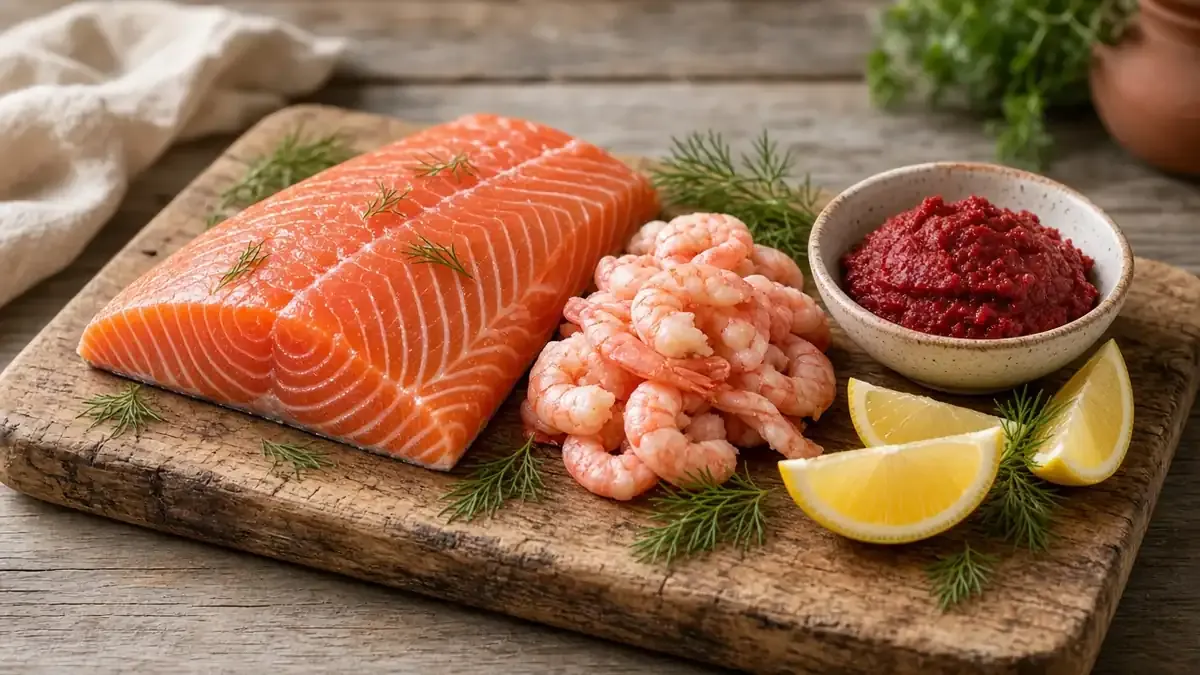
What is astaxanthin, and why does it keep showing up on supplement shelves? To answer what is astaxanthin in one line, it is the reddish pigment that tints salmon, shrimp, and even flamingo feathers. It starts in tiny algae and travels up the food chain.
This guide puts food first. You learn which seafood contains the pigment, why farmed and wild fish differ, and how natural and synthetic forms compare. Then you get a neutral look at research and supplements, without hype.
You also get clear safety notes. After all, shellfish allergies are common, and supplements follow different rules than medicines.
What you will get from this guide:
- A plain-language answer to a common nutrition question.
- The algae-to-flamingo food chain, explained simply.
- A table of astaxanthin foods and where they come from.
- A fair comparison of natural astaxanthin and synthetic versions.
- A neutral summary of research and regulation.
- Safety notes on allergies, supplements, and medicines.
What Is Astaxanthin, in Plain Terms?
Astaxanthin is a carotenoid, a natural pigment family. Similarly, carrots and tomatoes owe their colors to relatives.
According to a 2021 review on PubMed Central, astaxanthin is a carotenoid pigment without provitamin A activity in humans. In other words, your body does not turn it into vitamin A the way it can with beta-carotene. That detail already sets it apart from some familiar carotenoids.
The same review notes that researchers first isolated astaxanthin from lobsters in 1938. Today, the pigment matters mostly to the feed industry, especially aquaculture. Meanwhile, smaller amounts go into supplements and cosmetics.
So what is astaxanthin in everyday terms? Think of it as nature's pink-red dye for many sea creatures. It belongs to a subgroup called xanthophylls, which carry oxygen in their structure.
Here are the basics at a glance:
- Family: carotenoids, subgroup xanthophylls.
- Color: pink to red.
- Origin in nature: mainly microalgae.
- Main commercial use: fish and shrimp feed.
- Vitamin A activity in humans: none, per the review.
Why Salmon, Shrimp, and Flamingos Turn Pink
The color comes from diet, not genetics alone. In fact, any answer to what is astaxanthin starts with the food chain.
The 2021 PMC review explains that astaxanthin gives pink and red colors to salmon, rainbow trout, and Arctic char. It also colors the shells of krill, shrimp, and lobster, plus the feathers of some wading birds such as flamingos. As a result, a single pigment links very different animals.
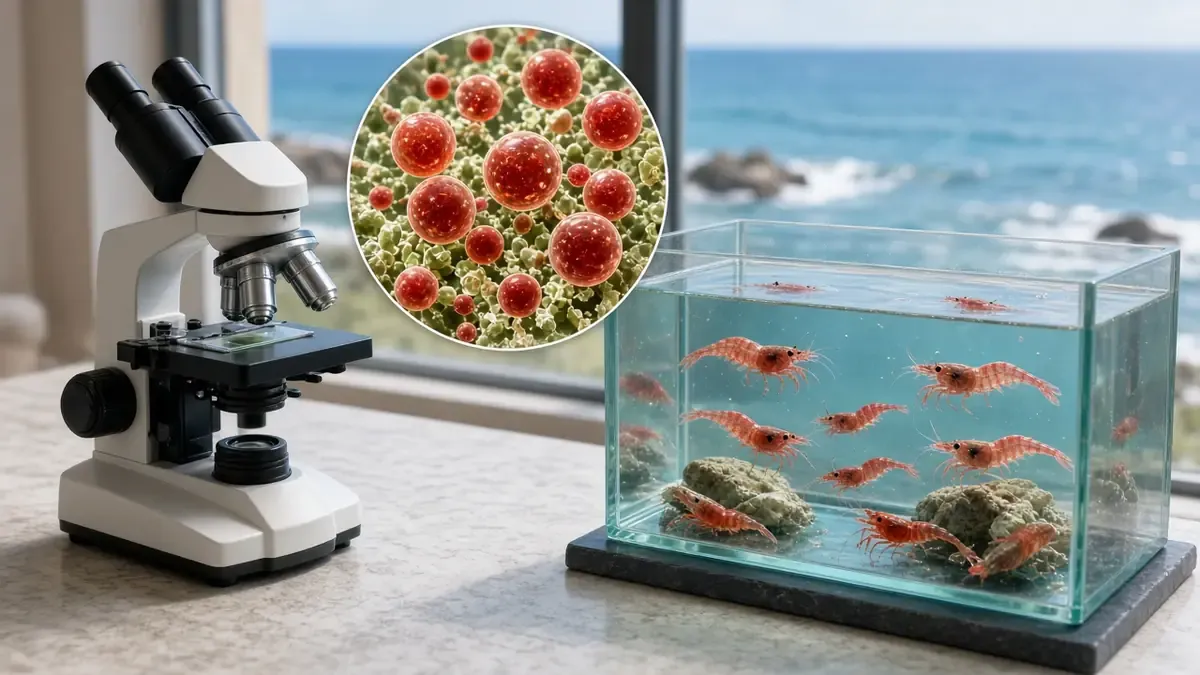
So how does that happen? According to the review, algae can make astaxanthin, while small plankton crustaceans can convert other carotenoids into it. Then fish and birds eat those organisms and store the pigment. The review calls this bioconcentration at consecutive levels of the food chain.
Notably, salmon, trout, and shrimp cannot build astaxanthin from scratch, the review states. Therefore, their color depends on what they eat.
The chain looks roughly like this:
- Microalgae produce astaxanthin.
- Krill and other tiny crustaceans eat algae and gather the pigment.
- Salmon, trout, and shrimp eat those crustaceans.
- Flamingos and other birds eat pigmented prey.
- Each animal shows color that reflects its diet.
So the next time someone asks what is astaxanthin doing in a flamingo, you can point to the menu.
Astaxanthin Foods: Where It Shows Up on Your Plate
Seafood supplies most dietary astaxanthin. Meanwhile, algae sit at the source.
Most astaxanthin foods come from the water. The PMC review lists salmon, rainbow trout, Arctic char, krill, shrimp, and lobster among pigmented animals. Meanwhile, the microalga Haematococcus pluvialis serves as a major commercial source.
| Source | Type | Why it contains astaxanthin |
|---|---|---|
| Wild salmon | Fish | Eats pigmented crustaceans in the wild |
| Farmed salmon | Fish | Gets the pigment through feed |
| Rainbow trout | Fish | Diet-dependent pigment, like salmon |
| Shrimp | Crustacean | Diet and feed supply the pigment |
| Krill | Crustacean | Converts carotenoids from its diet |
| Lobster | Crustacean | Pigment sits in the shell |
| Haematococcus pluvialis | Microalga | Produces astaxanthin itself |
Exact amounts vary by species, diet, and processing, and the fetched sources here do not give per-serving figures. Therefore, this guide skips numbers rather than guess.
Still, a pattern stands out. Whenever seafood looks pink or red, astaxanthin likely plays a role. So understanding what is astaxanthin helps you read color at the fish counter.
Also, keep variety in mind. The FDA's advice about eating fish lists salmon, shrimp, and freshwater trout among its "Best Choices" for lower mercury. That makes several astaxanthin foods easy to fit into a varied diet.
Wild vs. Farmed Salmon Color
Farmed and wild salmon reach pink in different ways. Feed explains the difference.
In the wild, salmon eat crustaceans that already carry the pigment. On farms, however, fish rely on what producers put in their feed. The 2021 PMC review notes that astaxanthin ranks among the most important pigments in aquaculture for salmon, trout, and shrimp.
Federal rules cover this practice. Under 21 CFR 73.35, federal rules allow safe use of astaxanthin in the feed of salmonid fish to enhance the pink to orange-red color of the flesh. The regulation also sets limits on the amount in feed.
Labeling matters, too, especially for shoppers. The same regulation requires labeling to declare the color additive in salmonid fish that ate such feeds, following FDA labeling rules. So when you shop, check the package for color information on farmed salmon.
This does not mean farmed fish is "fake." Instead, it means farms recreate a natural diet effect through feed. Wild fish get the same pigment through the food chain.
Understanding what is astaxanthin doing in feed helps you read labels with less confusion. Ultimately, both wild and farmed salmon can fit a balanced eating pattern.
Natural Astaxanthin vs. Synthetic: Key Differences
Two main production routes exist. So part of what is astaxanthin on a label depends on how producers made it.
Natural astaxanthin usually comes from the microalga Haematococcus pluvialis. According to a 2021 review on microalgae-derived astaxanthin, producers extract it from algal biomass. By contrast, chemical synthesis creates the synthetic form.
The 2021 food-industry review explains that astaxanthin made in nature occurs mainly as one form, while synthetic astaxanthin is a mixture of three stereoisomers. Furthermore, the review notes that feed makers commonly use synthetic astaxanthin, especially as a pigment in aquaculture.
| Feature | Natural astaxanthin | Synthetic astaxanthin |
|---|---|---|
| Main source | Haematococcus pluvialis algae | Chemical synthesis |
| Structure | Natural forms | Mixture of stereoisomers |
| Main use | Supplements, some foods, feed | Mostly aquaculture feed |
| Food use in EU and US | Permitted in some products | Not permitted as food, per the reviews |
| Cost | Higher | Lower |
Moreover, cost drives much of the market. The microalgae review states that natural astaxanthin cannot compete with synthetic on price for food applications. However, it also notes that synthetic astaxanthin cannot serve as food in the EU and the US.
Importantly, the food-industry review adds that EU and US limits reflect differences between the two forms, though no research has indicated synthetic astaxanthin is harmful to humans or animals. So the difference concerns structure and regulation rather than proven harm.
How Regulators Handle Astaxanthin
Rules differ by use: feed, food, or supplement. Consequently, the legal answer to what is astaxanthin changes with each path.
First, for fish feed, 21 CFR 73.35 lists astaxanthin as a color additive for salmonid fish. That rule covers identity, purity specifications, use limits in feed, and labeling.
Second, for food, the PMC reviews describe tighter limits on the synthetic form. According to the food-industry review, EU rules do not permit synthetic astaxanthin in food, and it lacks GRAS status in the US. Meanwhile, the microalgae review notes that astaxanthin from Haematococcus pluvialis has approval for human consumption in some forms.
Third, for supplements, the rules work differently again. The FDA's dietary supplements page explains that manufacturers are responsible for evaluating the safety and labeling of their products before marketing. In addition, the agency can act against adulterated or misbranded products after they reach the market.
The FDA's "FDA 101" consumer update goes further. It states that the FDA does not have the authority to approve dietary supplements for safety and effectiveness before they are sold. Therefore, a supplement label alone does not prove safety or results.
What Researchers Are Studying
Researchers study astaxanthin for many reasons. However, evidence in humans remains limited, whatever the marketing says.
The food-industry review describes astaxanthin as having very strong antioxidant activity among carotenoids in laboratory measurements. That property explains much of the research interest. Still, lab activity does not automatically translate into effects in people.
The microalgae review offers an important caution. It states that most studies to date took place in vitro or in animal models. It also says researchers need further human studies to fully understand the compound's potential.
So what can you fairly say? Researchers are looking at astaxanthin in many areas, according to the food-industry review, but most of that work is in labs or animals. Yet the human evidence base stays small compared with the attention online.
Keep these points in mind:
- Lab results show chemical activity, not proven health outcomes.
- Animal studies may not reflect what happens in people.
- Human trials so far leave many open questions.
- Product claims often run ahead of the research.
Ultimately, answering what is astaxanthin does not require big promises. It is a fascinating pigment with active research and limited human data.
How Supplements Compare to Food
Supplements and seafood deliver astaxanthin in different packages. Neither choice is automatically better, and knowing what is astaxanthin helps you compare them calmly.
Seafood brings astaxanthin alongside protein, healthy fats, and other nutrients. For example, the FDA notes that fish provide omega-3 fats, protein, vitamin B12, vitamin D, and selenium. As a result, fish such as salmon and trout bring astaxanthin along with other nutrients.
Supplements, by contrast, isolate the pigment. Labels often name algae, krill, or another source, so read them closely. However, products vary in source, form, and quality.
Looking for other protein-rich foods? Try these simple high-protein dessert ideas.
Consider these neutral points before choosing:
- Food offers astaxanthin plus other nutrients.
- Supplements concentrate a single compound.
- FDA does not approve supplements before sale.
- Some supplements interact with medicines, per the FDA.
This guide does not recommend any amount. Instead, talk to your doctor or pharmacist before taking any supplement, including astaxanthin. They can review your health, medicines, and goals.
Simple Ways to Enjoy Astaxanthin Foods
Food-first eating keeps things simple. So once you know what is astaxanthin, try these familiar options.
- Bake salmon with lemon and herbs for an easy weeknight dinner.
- Add grilled shrimp to salads, tacos, or grain bowls.
- Pan-sear trout with garlic and a squeeze of citrus.
- Toss cooked shrimp into pasta with garden vegetables.
- Flake leftover salmon into a quick lunch salad.
Also, mix in a range of fish across the week. The FDA and EPA advice encourages a variety of fish lower in mercury, and salmon, shrimp, and trout appear on its "Best Choices" list.
Equally important, cook seafood safely. Keep raw seafood cold, cook it thoroughly, and chill leftovers promptly. These habits matter as much as any nutrient.
Finally, remember that astaxanthin foods are not magic. They simply belong in a varied eating pattern with vegetables, fruits, whole grains, and other proteins. For a vegetable side, try this light zucchini pasta recipe. You can also add a spoonful of homemade fall fermented vegetables.
Who Should Be Careful
Food and supplements both carry considerations. Therefore, review these points first, especially before buying a supplement.
- Shellfish allergy: The FDA lists crustacean shellfish among the major food allergens. So people allergic to shrimp, lobster, or krill should avoid those sources and check supplement labels for crustacean ingredients.
- Fish allergy: The FDA also lists fish as a major allergen. Therefore, avoid salmon and trout if you have a fish allergy.
- Pregnancy and breastfeeding: FDA and EPA fish advice helps people who are or might become pregnant or breastfeeding choose fish lower in mercury. For any supplement, ask your clinician first.
- People taking medicines: The FDA warns that some supplements can interact with medications or interfere with lab tests.
- Upcoming surgery: The FDA notes that some supplements can have dangerous effects during surgery. Tell your surgical team about everything you take.
- Anyone considering supplements: The FDA does not approve dietary supplements for safety and effectiveness before sale. So talk to your doctor or pharmacist before taking any supplement.
Also, read labels carefully. Supplement products differ in source, so a krill-based product raises different concerns than an algae-based one.
When to See a Doctor
Most people eat seafood without trouble. Still, some signs need care right away.
The FDA lists allergic reaction symptoms that include:
- Hives, flushed skin, or rash.
- Tingling or itching in the mouth.
- Swelling of the face, tongue, lips, or throat.
- Vomiting, diarrhea, or stomach cramps.
- Coughing, wheezing, or trouble breathing.
- Dizziness or fainting.
The FDA warns that mild symptoms can progress to a severe reaction called anaphylaxis. So call 911 for trouble breathing, throat swelling, or fainting.
If you notice a side effect after taking a supplement, the FDA advises you to stop using it, seek medical care or advice, and report the problem to the FDA.
Finally, see a clinician before starting any supplement if you live with a health condition, take medicines, are pregnant or breastfeeding, or plan surgery. Above all, food and supplements never replace medical care.
Common Myths About Astaxanthin
Popular posts often blur facts. Here are frequent mix-ups about what is astaxanthin and what it does.
- "Pink salmon gets a fake dye." Farmed salmon gets astaxanthin through feed under federal rules, while wild salmon gets it through diet.
- "Astaxanthin turns into vitamin A." The PMC review states it has no provitamin A activity in humans.
- "Natural and synthetic are identical." Synthetic astaxanthin contains a mix of stereoisomers, per the review.
- "FDA approved this supplement." The FDA does not approve supplements for safety and effectiveness before sale.
- "Lab results prove health effects." Most studies so far used lab or animal models, according to the microalgae review.
Another common slip involves expectations. Many people ask what is astaxanthin able to do and expect a dramatic answer. In reality, the honest answer stays modest: it is a pigment with interesting chemistry and limited human research.
What Is Astaxanthin FAQ
Here are quick answers to common questions. Each one stays short.
What is astaxanthin made from?
In nature, microalgae produce it. Commercial natural astaxanthin often comes from Haematococcus pluvialis, while synthetic versions come from chemical processes.
Which astaxanthin foods are most common?
Salmon, trout, shrimp, krill, and lobster are common examples. Their color reflects the pigment in their diets.
Is natural astaxanthin better than synthetic?
They differ in structure and permitted uses. The reviews note that synthetic astaxanthin is not permitted as food in the EU and US.
What is astaxanthin's role in farmed salmon?
Farmed salmon get it through feed. Federal rules allow astaxanthin in salmonid fish feed and require labeling of fish that ate it.
Is astaxanthin safe to take as a supplement?
The FDA does not approve supplements before sale. So ask your doctor or pharmacist first, especially if you take medicines.
What is astaxanthin's link to flamingos?
Flamingos eat pigmented prey. As a result, astaxanthin and related pigments color their feathers.
The Bottom Line on Astaxanthin
Astaxanthin is a colorful story about food chains. Keep the science in perspective.
You now know what is astaxanthin, where it comes from, and why seafood turns pink. You also know how natural astaxanthin and synthetic versions differ, and how regulators handle each one.
Remember the research picture, too. Most studies so far happened in labs or animals, and human evidence remains limited. Therefore, food-first eating makes a sensible starting point.
Before you shop, run through this quick checklist:
- Choose varied seafood lower in mercury, such as salmon, shrimp, or trout.
- Check labels on farmed salmon and supplements.
- Skip shellfish sources if you have a shellfish allergy.
- Talk to your doctor or pharmacist before taking any supplement.
Above all, enjoy astaxanthin foods as part of a balanced plate. The next time someone asks what is astaxanthin, you can explain it in a sentence: a pink pigment that starts in algae and ends up on your dinner plate.
You may also like
3 Easy Cabbage Recipes for Cozy Winter Dinners
Try three cabbage recipes for cozy winter dinners: roasted steaks, cabbage dumplings, and unstuffed cabbage soup, plus s…
How to Make Pumpkin Pie Spice (and 4 More Fall Spice Blends)
Here is how to make pumpkin pie spice at home with exact ratios, plus an apple pie spice recipe, chai, gingerbread, mull…
One-Pan Smash Zucchini Pasta for Healthy Weeknights
A practical one-pan zucchini pasta guide: smash soft squash, burst cherry tomatoes, simmer pasta, and chill leftovers wi…