3 Easy Cabbage Recipes for Cozy Winter Dinners
Try three cabbage recipes for cozy winter dinners: roasted steaks, cabbage dumplings, and unstuffed cabbage soup, plus storage tips and food-safety steps.
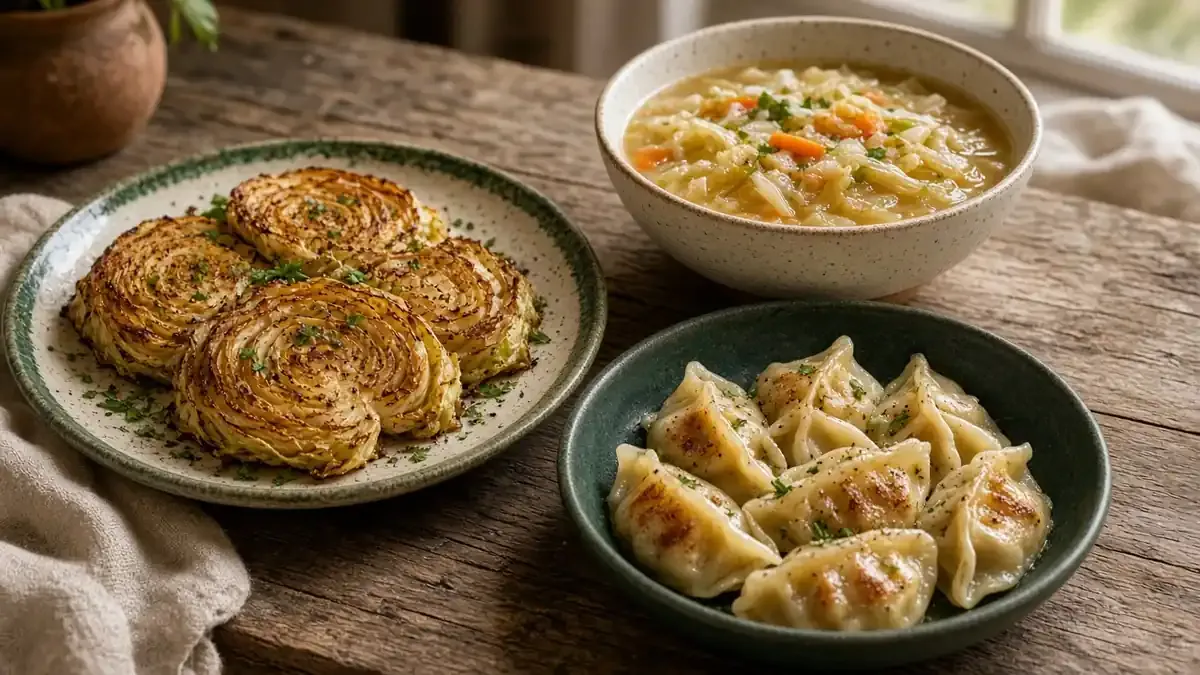
In this article
- Why Fresh Cabbage Works for Winter Cooking
- How to Pick and Store a Head of Cabbage
- Three Cabbage Recipes at a Glance
- Recipe: Roasted Cabbage Steaks
- Recipe: Cabbage Dumplings
- Recipe: Unstuffed Cabbage Soup
- Budget Tips for Cabbage Recipes
- Make-Ahead and Leftover Rules
- Seasoning Ideas Without Fancy Gear
- Who Should Be Careful
- When to See a Doctor
- Cabbage Recipes FAQ
- Quick Recap for Busy Cooks
- Sources
Cabbage recipes keep winter cooking simple, filling, and kind to your wallet. Fresh cabbage is crisp, mild, and easy to find in most grocery stores. So these cabbage recipes fit busy weeknights as well as slow weekends. This guide skips fermentation and focuses on three cozy dishes you can make with one head of cabbage.
You will walk through roasted cabbage steaks, soft cabbage dumplings, and a hearty unstuffed cabbage soup in clear steps. Along the way, you also get shopping tips, leftover rules, and clear food-safety steps. The tone stays practical. No diet claims. No brand names. Just solid kitchen help for cold nights and tight budgets.
What you will get from this guide:
- Three full recipes with ingredients and steps.
- A quick comparison table for time and method.
- Tips to pick, store, and stretch fresh cabbage.
- Safety notes for meat temps, leftovers, and allergens.
- Answers to common cooking questions.
Why Fresh Cabbage Works for Winter Cooking
Fresh cabbage holds up well when the weather turns cold. Utah State University Extension notes that cabbage stores well in cold, high-humidity conditions for several months. That makes a whole head a smart buy for budget meals and steady cabbage recipes through winter.
Meanwhile, a firm head also gives you many cooking paths. You can roast thick slices. You can shred leaves for dumplings. You can chop the rest into soup. So one vegetable covers dinner for several nights without a long shopping list.
These cabbage recipes use the fresh head only. They do not cover sauerkraut or kimchi. If you want fermented cabbage, see this guide to fall ferments. Here, the focus stays on roasting, wrapping, and simmering. That keeps the steps clear for beginners and for cooks who just want a warm plate.
Winter produce can feel limited. Still, cabbage stays affordable in most markets. Pair it with onions, carrots, rice, and ground meat, and you already have the base for several cabbage recipes.
How to Pick and Store a Head of Cabbage
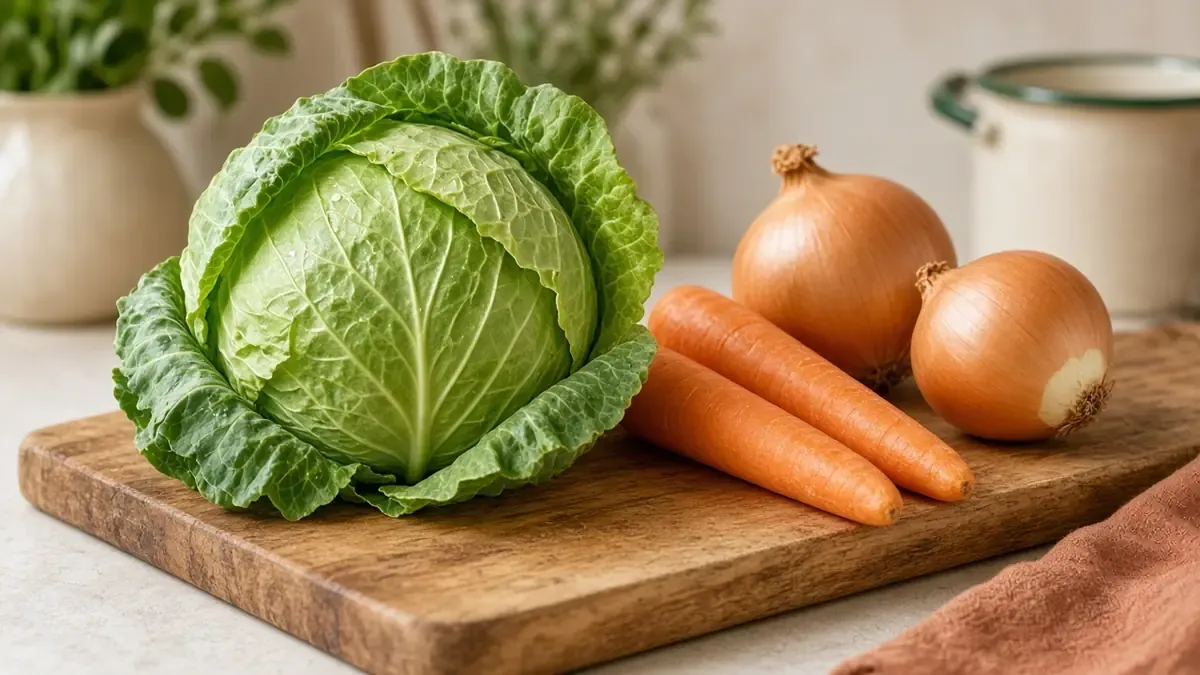
Start with a head that feels heavy for its size. Utah State University Extension says to harvest firm, full-size heads before they crack. At the store, that same idea helps. So choose a tight, solid head with crisp outer leaves.
Also, skip heads with soft spots, deep cracks, or a strong sour smell. Yet light brown edges on outer leaves are common. You can peel those away. Then rinse the head under cool water before you cut.
For storage, keep the head cold. A refrigerator crisper drawer works for most home cooks. Leave the core intact until you need it. That helps the head stay firm longer. After you cut, wrap leftovers tightly and chill them soon.
Next, know that green and red cabbage both work in these dishes. Green cabbage is milder and softens faster in soup. Red cabbage holds color, but it can stain cutting boards. Either way, dry the leaves before roasting so they brown instead of steam.
Here is a quick checklist before you cook:
- Pick a firm, heavy head.
- Peel damaged outer leaves.
- Rinse, then dry before slicing.
- Keep unused cabbage cold and covered.
- Plan which cabbage recipes will use the rest of the head.
Three Cabbage Recipes at a Glance
This table compares the three cabbage recipes in this guide. Times are approximate for a home kitchen. Cost level is relative, not a price tag. Use it to pick a dinner that fits your night.
| Dish. | Main method. | Relative time. | Relative cost. | Best for. |
|---|---|---|---|---|
| Roasted cabbage steaks. | Oven roast. | Short. | Low. | Sheet-pan nights. |
| Cabbage dumplings. | Pan-steam or boil. | Medium. | Low to medium. | Hands-on weekends. |
| Unstuffed cabbage soup. | Stovetop simmer. | Medium. | Low. | Big batch leftovers. |
Above all, all three dishes start with fresh cabbage. Two of them use ground meat, so a food thermometer matters too. FoodSafety.gov lists 160°F (165°F for ground turkey) as the safe minimum internal temperature for ground meat and sausage. Leftovers of any type should be reheated to 165°F.
Recipe: Roasted Cabbage Steaks
First, these roasted cabbage steaks need little prep. Thick slices caramelize at the edges while the centers stay tender. Serve them as a side, or instead top them with leftover grains.
Ingredients (serves 4 as a side)
- 1 medium green cabbage.
- 2 tablespoons oil.
- 1 teaspoon salt.
- 1/2 teaspoon black pepper.
- 1/2 teaspoon garlic powder.
- Optional: paprika or dried thyme.
Steps
- Heat the oven to 425°F. Line a sheet pan with parchment.
- Trim the stem end, but keep the core. It holds each steak together.
- Cut the cabbage into 1-inch slices from top to stem.
- Brush both sides with oil. Season with salt, pepper, and garlic powder.
- Lay the steaks in a single layer. Do not crowd the pan.
- Roast for 20 minutes. Flip carefully. Roast 10 to 15 minutes more.
- Pull them when the edges are browned and the centers feel tender.
- Rest 2 minutes, then serve hot.
Then keep knives sharp and fingers curled. Hot pans need dry oven mitts. If a steak falls apart, call it roasted cabbage wedges and keep going. The flavor stays the same.
These steaks also work as a base for leftover grains or beans. Add a squeeze of lemon at the table if you like brightness. Among weeknight cabbage recipes, this one asks for the least active time once the pan is in the oven.
Recipe: Cabbage Dumplings
Next, cabbage dumplings turn shredded leaves into cozy parcels. This version uses store-bought wrappers and a cooked filling. Wheat wrappers contain a major allergen, so read labels with care.
Ingredients (about 24 dumplings)
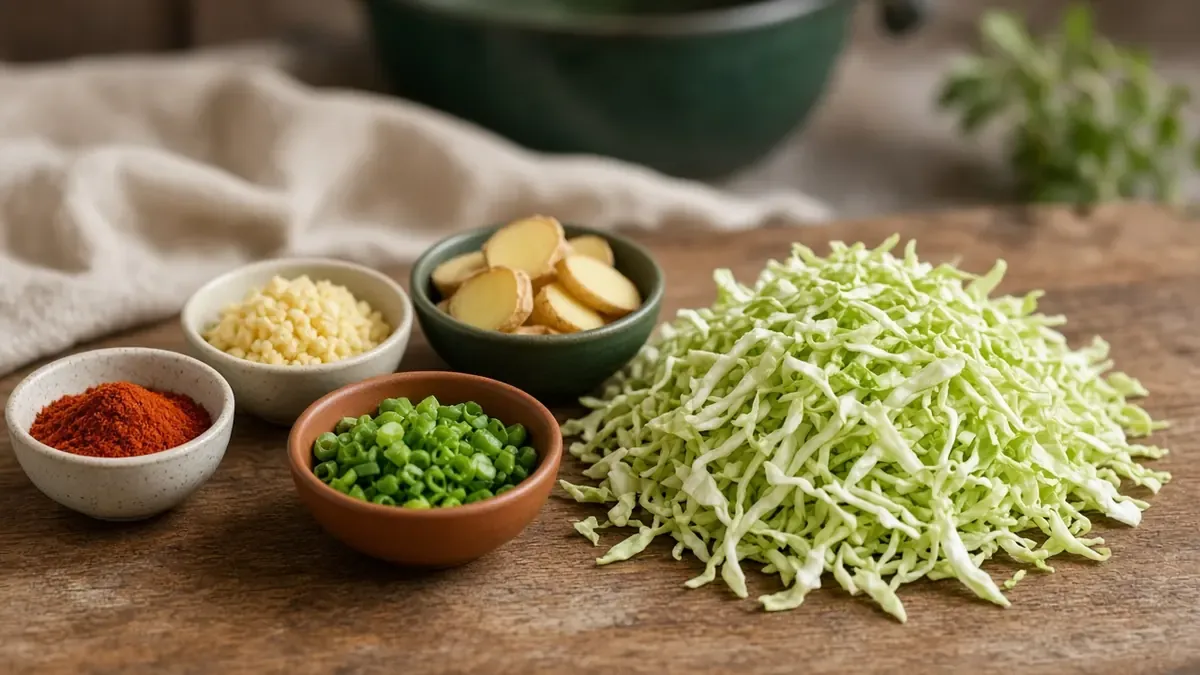
- 2 cups finely shredded green cabbage.
- 8 ounces ground pork or ground turkey.
- 2 green onions, minced.
- 1 tablespoon soy sauce (contains soy; sesame oil optional).
- 1 teaspoon grated fresh ginger.
- 1/4 teaspoon salt.
- 24 round dumpling wrappers.
- Oil for the pan.
- Water for sealing and steaming.
Steps
- Warm a skillet over medium heat. Add the ground meat.
- Cook until a food thermometer reads 160°F (165°F for ground turkey) in the thickest part. Break it up as it cooks.
- Stir in cabbage, green onion, soy sauce, ginger, and salt. Cook 3 to 4 minutes until the cabbage softens.
- Cool the filling until you can handle it.
- Place one wrapper on a clean board. Add 1 teaspoon of filling in the center.
- Wet the edge with water. Fold and pinch firmly to seal. Repeat.
- Heat a light film of oil in a nonstick skillet. Add dumplings in one layer.
- Cook 2 minutes until bottoms brown. Add 1/3 cup water. Cover at once.
- Steam 5 to 7 minutes until wrappers look translucent and hot throughout.
- Uncover to let steam escape. Serve warm with a simple dipping sauce.
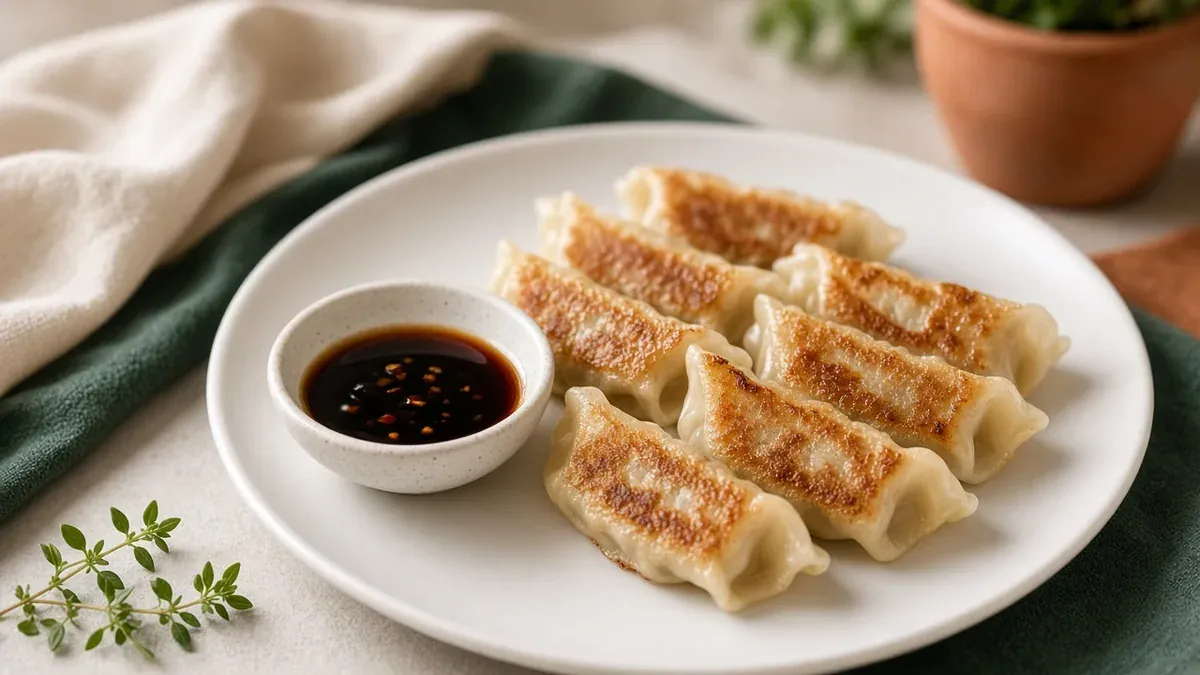
When you make cabbage dumplings, keep raw meat away from ready-to-eat foods. After the filling step, wash boards and knives with hot, soapy water. The FDA safe-food page stresses clean, separate, cook, and chill. That order keeps dinner safer.
Also, work in small batches so wrappers stay soft. Cover spare wrappers with a damp towel. If a seal breaks, scoop the leak and keep cooking. Patience helps here.
Recipe: Unstuffed Cabbage Soup
Unstuffed cabbage soup skips the rolling and keeps the comfort. You brown meat, soften cabbage, and then simmer everything in one pot. In fact, it is a classic among budget cabbage recipes.
Ingredients (serves 6)
- 1 pound ground beef or ground turkey.
- 1 tablespoon oil.
- 1 medium onion, diced.
- 3 cups chopped green cabbage.
- 2 carrots, sliced.
- 2 cloves garlic, minced.
- 1 can (14.5 ounces) diced tomatoes.
- 4 cups low-sodium broth.
- 1/2 cup uncooked rice.
- 1 teaspoon salt.
- 1/2 teaspoon black pepper.
- 1 teaspoon paprika.
- Optional: bay leaf.
Steps
- Heat oil in a large pot over medium heat. Add the ground meat.
- Cook, stirring, until a thermometer reads 160°F (165°F for ground turkey). Drain extra fat if needed.
- Add onion and carrots. Cook 5 minutes until they soften.
- Stir in garlic for 30 seconds.
- Add cabbage, tomatoes, broth, rice, salt, pepper, paprika, and bay leaf.
- Bring to a gentle boil. Then lower the heat.
- Cover and simmer 25 to 30 minutes until rice and cabbage are tender.
- Remove the bay leaf. Taste and adjust salt.
- Ladle into bowls and serve hot.
This unstuffed cabbage soup freezes well in shallow containers. USDA FSIS says leftovers can stay in the refrigerator for 3 to 4 days, or in the freezer for 3 to 4 months. Divide a big pot into shallow containers so it cools faster. Reheat leftovers to 165°F.
However, if the soup thickens in the fridge, add a splash of broth while reheating. After it is hot, taste again for salt. Among batch-cook cabbage recipes, unstuffed cabbage soup is the easiest to portion for lunches.
Budget Tips for Cabbage Recipes
Cabbage recipes stretch further when you plan the whole head. First, cook the steaks on night one. Then move on. Next, shred leftover cabbage for cabbage dumplings. After that, plan the soup. Then finish the head in unstuffed cabbage soup. That order uses the firmest slices first.
Therefore, buy a whole head instead of bagged shreds when you can. Because whole heads usually cost less per pound, they stretch further. They also stay fresh longer in the fridge too. Besides that, keep pantry basics on hand: rice, canned tomatoes, onions, and dried spices.
Here are more ways to save:
- Swap ground turkey for beef when it is on sale.
- Use broth you already have, such as this homemade bone broth recipe, or water plus a little salt.
- Stretch soup with extra cabbage and carrots.
- Freeze dumpling filling for a later batch.
Skip specialty tools. A sharp knife, a sheet pan, a skillet, and a soup pot cover all three dishes. That keeps these cabbage recipes reachable for most kitchens.
Watch unit prices on meat and rice. A small amount of meat still flavors a large pot of unstuffed cabbage soup. Extra cabbage can fill the gap. For cabbage dumplings, a half pound of meat stretches across two dozen wrappers when mixed with plenty of shredded leaves.
Make-Ahead and Leftover Rules
Meanwhile, you can prep parts of these dishes ahead. For example, shred cabbage the day before and chill it in a sealed box. Mix dumpling filling and chill it for up to one day after the meat has reached 160°F (165°F for ground turkey). Chop soup vegetables and keep them cold until you cook.
Still, cooked leftovers need prompt chilling. Because bacteria grow in the danger zone, the FDA advises refrigerating perishable foods within 2 hours of cooking, or within 1 hour if the air is hotter than 90°F. Also keep the fridge at 40°F or below.
USDA FSIS leftover guidance is clear:
- Use refrigerated leftovers within 3 to 4 days.
- Freeze extras for longer storage.
- Reheat leftovers to 165°F.
- Divide large pots into shallow containers.
Finally, label boxes with the dish name and date. When reheating unstuffed cabbage soup, stir and then check the center with a thermometer. For cabbage dumplings, reheat until steaming hot throughout.
Seasoning Ideas Without Fancy Gear
Meanwhile, simple spices keep the flavors bright. First, salt and pepper do most of the work. Then garlic powder, paprika, and dried thyme fit roasted steaks. Meanwhile, ginger and green onion suit cabbage dumplings. Likewise, paprika and bay leaf help unstuffed cabbage soup.
In addition, acid brightens rich plates. For example, a squeeze of lemon over roasted steaks works well. Also, a splash of vinegar in soup does the same job. Start with a little, then taste again.
Try these easy swaps:
- Turkey instead of beef in the soup.
- Extra cabbage instead of rice for a lighter bowl.
- Sesame-free dipping sauce if sesame is a problem.
- Gluten-free wrappers if wheat is a problem.
Always read labels when you swap. Wheat, soy, sesame, milk, and egg are among the nine major food allergens named by the FDA. Wrappers, soy sauce, and some broths can hide those ingredients.
You do not need a long spice rack for good cabbage recipes. Focus on salt, heat control, and browning. A crowded pan steams food. A roomy pan browns it. That one habit improves steaks, cabbage dumplings, and soup bases alike.
Who Should Be Careful
Some cooks need extra caution with these dishes. First, dumpling wrappers usually contain wheat. Also, soy sauce contains soy. Even optional sesame oil contains sesame. The FDA lists milk, egg, fish, crustacean shellfish, tree nuts, wheat, peanuts, soybeans, and sesame as the major food allergens.
So if you have a food allergy, read every label. Also ask about restaurant dumplings before you order them. Besides that, keep shared pans and boards clean so allergens do not travel between foods.
People who take blood thinners such as warfarin need steady vitamin K intake. In fact, the NIH Office of Dietary Supplements says vitamin K matters for blood clotting. It also says people on warfarin should get about the same amount of vitamin K each day, because consistency matters. Green leafy vegetables are a main dietary source. Since cabbage belongs in that leafy group, talk with a doctor or pharmacist before big diet changes.
Knife and oven safety matter for everyone:
- Keep fingers tucked while slicing dense heads.
- Use a stable cutting board.
- Wear dry mitts for hot pans and trays.
- Keep kids clear of steam when you uncover dumplings.
When to See a Doctor
Still, mild kitchen mishaps are common. Still, some signs need medical care. Food allergies can cause hives, swelling, trouble breathing, or dizziness. Therefore, seek emergency care for severe allergic reactions.
Likewise, food poisoning is another concern. For example, CDC guidance lists common symptoms such as diarrhea, stomach pain or cramps, nausea, vomiting, and fever. See a doctor for severe signs, including:
- Bloody diarrhea.
- Diarrhea lasting more than 3 days.
- Fever over 102°F.
- Vomiting so often that liquids will not stay down.
- Signs of dehydration, such as little or no urine.
After a raw meat spill, clean the area with hot, soapy water. Instead, do not taste undercooked ground meat. Use a thermometer instead of color alone. When in doubt about leftovers past 3 to 4 days, throw them out. That said, the clock is a safety tool.
Cabbage Recipes FAQ
Can you freeze these cabbage recipes?
Yes, with care. Unstuffed cabbage soup freezes well in shallow containers. Cooked cabbage dumplings can freeze on a tray, then move to a bag. Roasted cabbage steaks freeze less neatly, so chill and eat those first when you can.
Do cabbage dumplings need special wrappers?
No. Standard round dumpling wrappers work. Check the label for wheat and other allergens. If you need a wheat-free option, look for wrappers made without wheat and follow that package for cooking times.
How long does unstuffed cabbage soup keep?
In the refrigerator, plan on 3 to 4 days. That matches USDA FSIS leftover guidance. Freeze extras if you need more time. Reheat to 165°F before serving.
What ground meat temperature is safe?
Cook ground beef and pork to 160°F. Ground turkey needs 165°F. Check the thickest part with a clean thermometer. Color alone is not a safe test.
Can you make the soup without meat?
Yes. Brown mushrooms or lentils in place of meat for a similar texture. Keep the cabbage, tomatoes, broth, and rice. Season well so the bowl still tastes rich.
How do you keep cabbage steaks from falling apart?
Leave the core in each slice. Cut thick, even steaks. Flip once with a wide spatula. If pieces break, serve them as roasted wedges.
Are these dishes good for meal prep?
They can be. Cook the soup and dumpling filling ahead. Chill within 2 hours. Reheat leftovers to 165°F. Roast steaks closer to serving time for the best texture.
Quick Recap for Busy Cooks
In fact, fresh cabbage can carry three solid winter dinners. First, roast steaks for a fast sheet-pan side. Then fold cabbage dumplings when you have a little more time. Finally, simmer unstuffed cabbage soup when you want leftovers for the week.
Keep food-safety habits in view. Cook ground meat to 160°F (165°F for ground turkey). Chill leftovers within 2 hours. Use them within 3 to 4 days, or freeze them. Reheat to 165°F. Read labels for wheat, soy, sesame, and other major allergens.
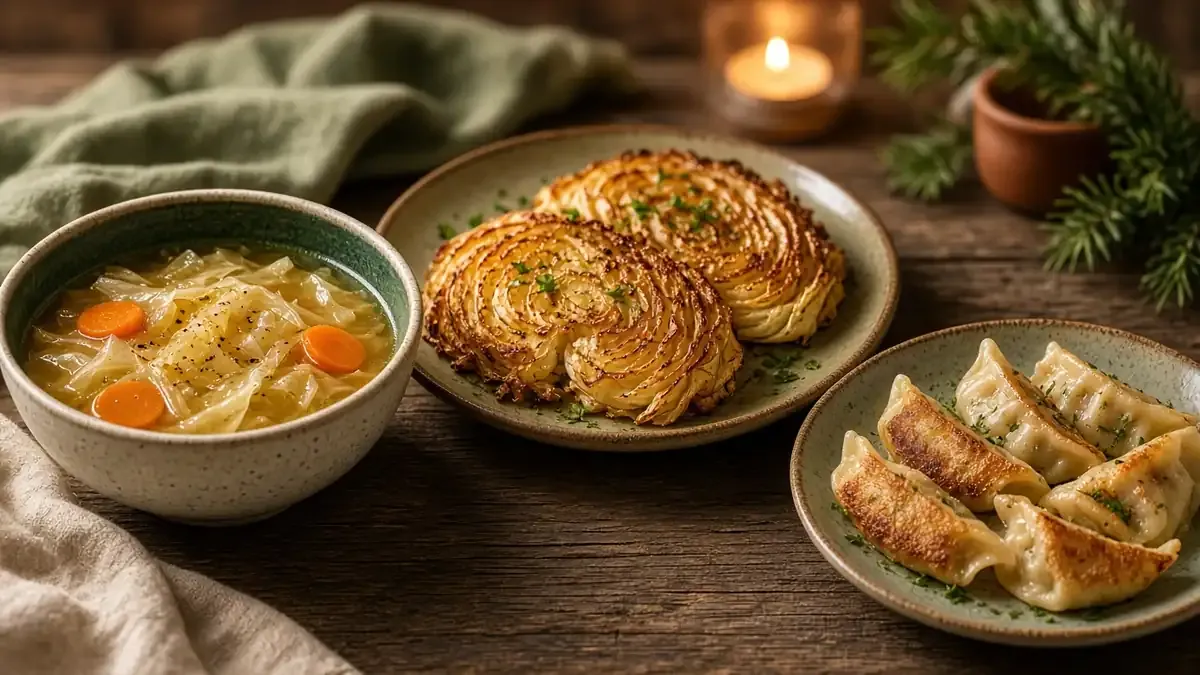
With these cabbage recipes, one humble head can cover cozy nights without fancy gear. Start with the steaks, then try cabbage dumplings, and finish with a pot of unstuffed cabbage soup. Follow the thermometer, trust the leftover clock, and enjoy the crunch of fresh cabbage all season.
Then print or save this page for your next grocery run. Before you shop, check the fridge for onions, carrots, and rice. For another vegetable dinner, try this recipe for zucchini pasta. Then pick a firm cabbage and choose which of these cabbage recipes to cook first. Above all, small steps make winter cooking feel steady instead of stressful.
Sources
You may also like
What Is Astaxanthin? The Pink Antioxidant in Salmon and Algae
What is astaxanthin? Explore astaxanthin foods, the algae-to-salmon food chain, natural and synthetic forms, the researc…
How to Make Pumpkin Pie Spice (and 4 More Fall Spice Blends)
Here is how to make pumpkin pie spice at home with exact ratios, plus an apple pie spice recipe, chai, gingerbread, mull…
One-Pan Smash Zucchini Pasta for Healthy Weeknights
A practical one-pan zucchini pasta guide: smash soft squash, burst cherry tomatoes, simmer pasta, and chill leftovers wi…