Sea Buckthorn Oil: A Beginner Guide for Winter-Dry Skin
This sea buckthorn oil guide explains fruit vs seed oil, why it can tint skin orange, how to blend it into cream, storage tips, and patch test safety.
In this article
- What Is Sea Buckthorn Oil?
- Meet the Shrub Behind the Berries
- Fruit Oil vs Seed Oil at a Glance
- Why Sea Buckthorn Oil Looks So Orange
- Does Sea Buckthorn Oil Stain Skin?
- How to Choose a Pure Sea Buckthorn Oil
- How to Use Sea Buckthorn Oil in Winter
- Diluting Into Cream, Step by Step
- Keeping Orange Off Towels and Clothes
- Storing Your Oil So It Stays Fresh
- Who Should Be Careful
- When to See a Doctor
- Sea Buckthorn Oil FAQ
- Final Thoughts
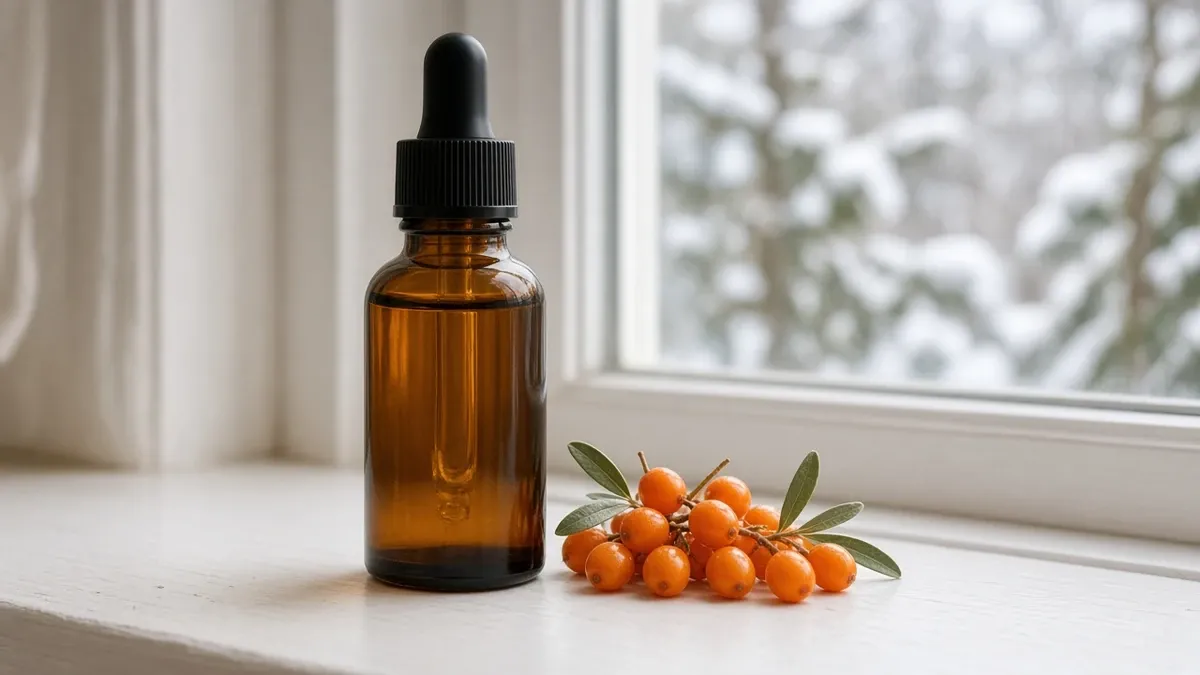
Sea buckthorn oil is one of the most colorful oils you can add to a winter skin routine. Pressed from small orange berries, sea buckthorn oil looks almost like liquid sunset in the bottle. That color is beautiful, but it also surprises a lot of beginners. So before you buy a bottle, it helps to know what you are getting.
This guide keeps things simple and practical. First, you will meet the thorny shrub behind the berries. Then you will learn the difference between fruit oil and seed oil.
After that, you will see how to mix a few drops into your usual cream without turning your face, towels, or pillowcase orange. Finally, you will get clear safety steps, like a patch test, so you can try it with care.
What you will get from this guide:
- A plain look at fruit oil vs seed oil.
- Simple ways to blend the oil into cream.
- The real reason it can tint skin orange.
- Tips to choose and store a pure oil.
- Clear safety and patch test steps.
What Is Sea Buckthorn Oil?
Sea buckthorn oil comes from the berries of one hardy shrub. The plant's Latin name is Hippophae rhamnoides. A review in a scientific journal notes that the oil can come from two parts of the berry.
Makers press one oil from the seeds. The other comes from the soft fruit pulp.
These two oils are not the same. The same review describes pulp oil as a thick, dark orange or red-orange liquid. It also says pulp oil has a high level of carotenoids, unlike seed oil.
Carotenoids are natural plant pigments. They give carrots, pumpkins, and these berries their warm color.
So when people say "sea buckthorn oil," they could mean either one. That is why reading the label matters so much. In fact, most of the staining questions you hear online come down to this one detail.
People mostly use the oil as a cosmetic. In other words, it goes into creams, balms, and facial oils for skin comfort and glow. The review notes that it shows up in products for dry, rough, or flaking skin.
Still, a cosmetic is not a medicine. In the United States, the FDA defines cosmetics as products used for cleansing, beautifying, or changing how you look. This guide stays in that lane.
Meet the Shrub Behind the Berries
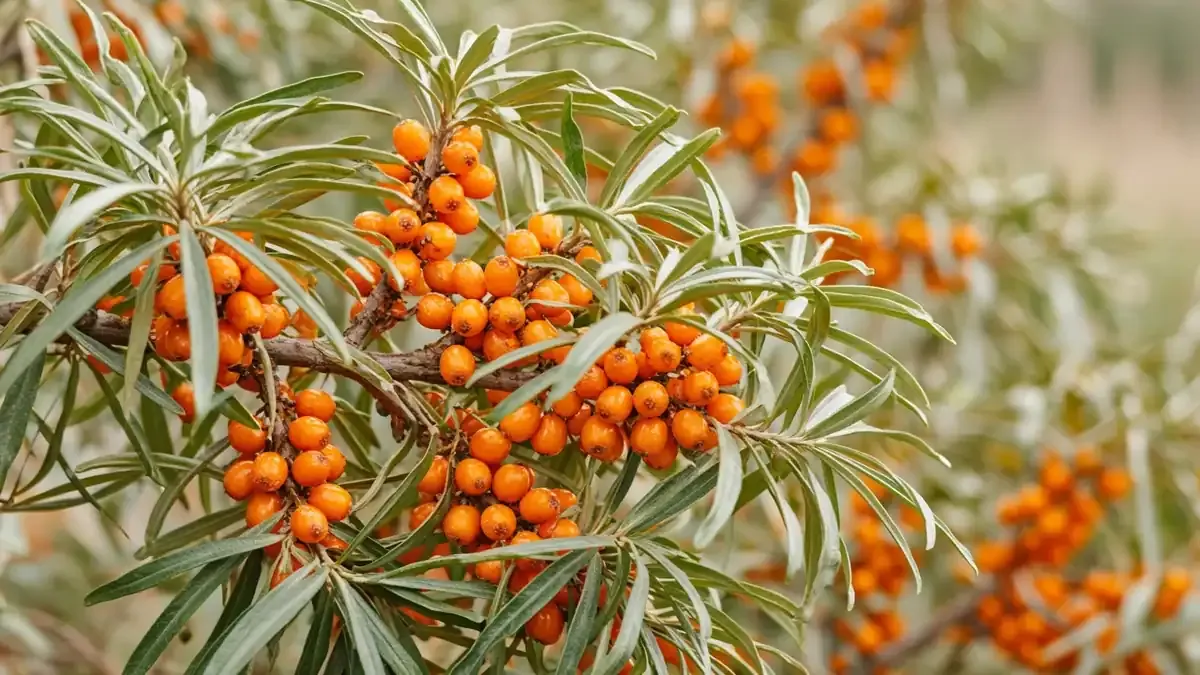
Sea buckthorn is a tough, thorny shrub for cold places. Oregon State University describes it as a deciduous shrub about 10 feet tall and wide. It has narrow, willow-like leaves with a silvery underside. The bright orange fruit can hang on into the next spring.
The plant also has male and female forms. Only female plants carry berries. Because of this, growers plant a male nearby.
Oregon State suggests about one male for every six females. The University of Wisconsin uncommon fruit project gives a range of six to eight females per male. Wind carries the pollen, so bees are not needed.
Here are a few garden traits worth knowing, as noted by the Morton Arboretum:
- It wants full sun and soil that drains well.
- It has sharp thorns, so wear thick gloves.
- It can send up suckers and spread over time.
- The berries cling hard to the stems.
That last point explains a lot. The Wisconsin project notes that the fruit lacks an abscission layer. That means ripe berries do not drop off easily.
As a result, picking them takes time and patience. Meanwhile, a Nevada extension trial reports that berries form on stems at least two years old.
Fruit Oil vs Seed Oil at a Glance
Two oils come from one berry, and they act differently. For you, the biggest difference is color. However, texture and smell differ too. The table below sums up what the published review and a cosmetic patent describe.
| Feature. | Fruit (pulp) oil. | Seed oil. |
|---|---|---|
| Comes from. | Soft flesh of the berry. | Small seed inside the berry. |
| Color. | Dark orange to red-orange. | Lighter; less pigment. |
| Carotenoids. | High. | Much lower. |
| Texture. | Thick. | Thinner. |
| Staining risk. | Higher. | Lower. |
| Best first use. | A drop mixed into cream. | Easier to use on its own. |
So which one should you pick? If you want a gentle start, seed oil is easier to handle. It has less pigment, so it is less likely to tint skin.
On the other hand, fruit oil is the one with the famous sunset color. It also has a strong, tangy smell that some people notice right away.
Many bottles blend both oils. Others do not say which part of the berry they came from. In that case, check the ingredient list.
Fruit oil often appears as Hippophae Rhamnoides Fruit Oil. Sea buckthorn seed oil usually appears as Hippophae Rhamnoides Seed Oil. When the label is vague, assume the oil carries strong pigment until you test it.
Why Sea Buckthorn Oil Looks So Orange
The orange color comes from natural plant pigments. These are carotenoids, the same family as beta-carotene. According to the published review, the berries hold beta-carotene plus lycopene, zeaxanthin, and other related pigments. Most of that pigment ends up in the pulp oil.
Here is the key part. PubChem, a chemistry database run by the US National Library of Medicine, lists beta-carotene as soluble in vegetable oils. It also lists it as practically insoluble in water.
In plain words, the pigment loves oil and ignores water. That is why the color travels so well through creams and onto skin.
PubChem also notes that dilute solutions of beta-carotene look yellow. So the more you dilute it, the softer the shade gets. A pure fruit oil looks deep orange. A drop in a dab of white cream turns it pale peach or barely yellow.
There is one more clue from a cosmetic patent. It says the oil ranges from orange to orange-red. It also notes that many creams use so little of it that they stay white.
That tells you something useful. A small amount in a cream is common practice, and a large amount shows up fast.
Does Sea Buckthorn Oil Stain Skin?
Yes, it can, especially if you use pure fruit oil. So does sea buckthorn oil stain skin for good? For most people, no. The tint is temporary and fades with washing.
The published review even notes that the oil's intense color can tint skin tone after you apply it. That is the "glow" some people like. Others find it too orange.
How strong the tint gets depends on three things:
- Which oil you use. Fruit oil carries far more pigment than seed oil.
- How much you use. Pure oil tints more than a drop mixed into cream.
- Your skin tone. The tint may show more on very fair skin.
Because the pigment loves oil, plain water will not lift it well. Instead, use your normal gentle cleanser or a little plain oil on a cotton pad. Then wash as usual. For most people, any light tint fades after washing and normal daily life.
So when someone asks "does sea buckthorn oil stain skin," the honest answer is "it depends." Pure fruit oil can leave a clear orange tint. Meanwhile, seed oil or a well-diluted cream is much less likely to show. If you want zero color, start with seed oil.
How to Choose a Pure Sea Buckthorn Oil
A good bottle starts with a clear label. First, look for the plant name, Hippophae rhamnoides. Next, check which part of the berry was used.
The label should say fruit, pulp, or seed. If it only says "berry," you may get a blend of both.
Then look at how it was made. The review notes the oil can be cold pressed or extracted. Cold pressed is a common choice for skin oils.
Still, the label should tell you clearly. Also, a short ingredient list is easier to judge than a long one.
Use this quick checklist before you buy:
- The plant name and oil type are on the label.
- The ingredient list is short and clear.
- The bottle is dark glass to block light.
- The label shows a best-by date or batch number.
- There are no big promises about fixing skin problems.
That last point matters. A cosmetic oil should talk about feel, comfort, and look. If a label makes medical claims, be careful with that seller.
In addition, avoid oils that smell harsh, sharp, or like old crayons. That smell can mean the oil has gone rancid.
Finally, color is a helpful clue, but it is not proof. Fruit oil should look deep orange. Seed oil should look lighter and more golden. If a "pure" seed oil looks bright red-orange, it may be a blend.
How to Use Sea Buckthorn Oil in Winter
Winter air can leave your face feeling tight and dry. That is when many people reach for richer oils. So how to use sea buckthorn oil without fuss?
Keep it small, mixed, and simple. Think of it as a few colorful drops in a routine you already have. For the rest of that routine, see these tips on caring for your fall skin barrier.
Here are easy ways to start:
- Add one drop to a dab of your usual night cream.
- Mix one drop into a plain carrier oil for dry hands.
- Blend a drop into a thick body cream for rough elbows.
- Press a tiny amount of seed oil onto dry cheeks at night.
Night use is a smart first step. That way, any light tint has time to fade. Also, you avoid orange marks on a scarf or a white collar. Then, if you like the feel, you can try a morning blend. If you enjoy facial tools, here is how to use gua sha with a little oil.
When you learn how to use sea buckthorn oil, go slowly. Use it a few times a week at first. After that, watch how your skin feels and how the color shows.
If your skin feels fine and the tint is low, keep going. If not, use less or switch to seed oil.
Diluting Into Cream, Step by Step
Diluting is the easiest way to enjoy the color with less tint. It spreads a strong pigment across more product. As a result, the tint gets softer and easier to manage. It also makes a small bottle last much longer.
No study gives a single perfect ratio for home use. So always follow the label on your bottle first. If the label gives a dilution, use that. If it does not, start with the smallest amount you can.
Try this simple method:
- Put a pea-sized dab of plain, unscented cream in your palm.
- Add one single drop of the oil on top.
- Rub your palms together until the color looks even.
- Press the blend onto dry skin instead of rubbing hard.
- Wait a few minutes before you touch fabric.
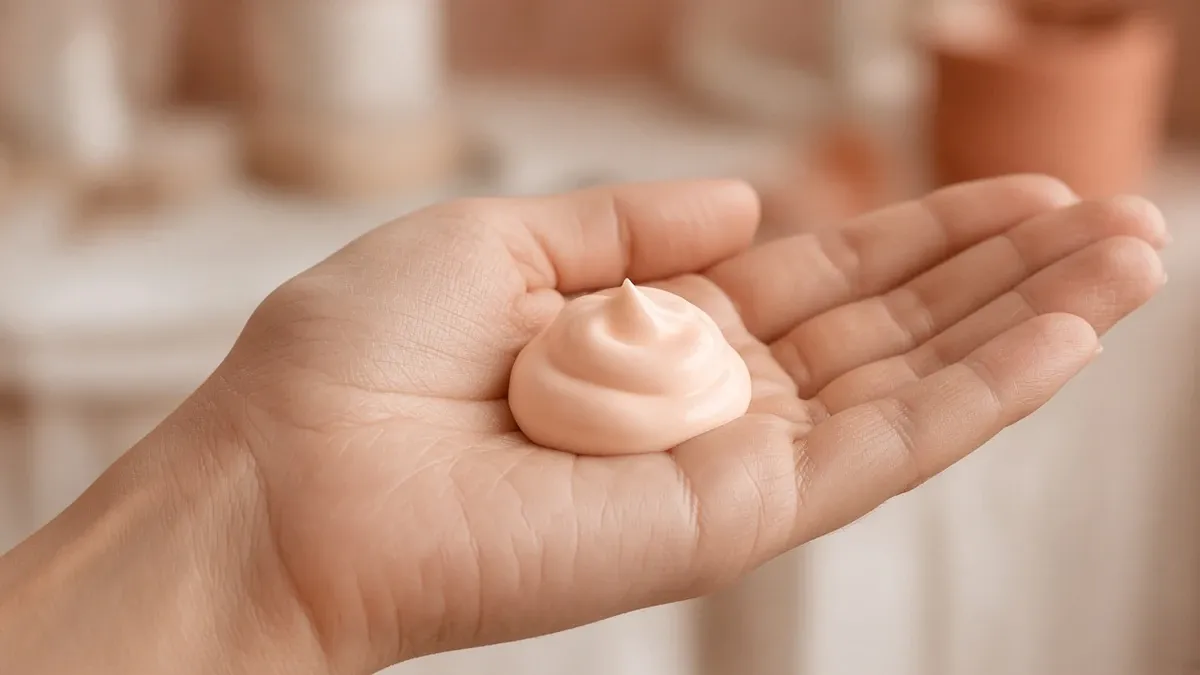
Notice the color in your palm. If the cream turns pale peach, that is a gentle blend. However, if it looks bright orange, use more cream or less oil. With fruit oil, a little goes a very long way.
You can also mix a small jar ahead of time. Use a clean spoon and a clean jar. Stir well so you do not get orange streaks.
Then label the jar with the date. Because mixed creams can spoil, make small batches you will use up soon.
Keeping Orange Off Towels and Clothes
The tint does not stop at skin. Pillowcases, towels, and light shirts can pick it up too. Since the pigment is oily, it can set into fabric if you leave it. So a little planning saves your linens.
Try these simple habits:
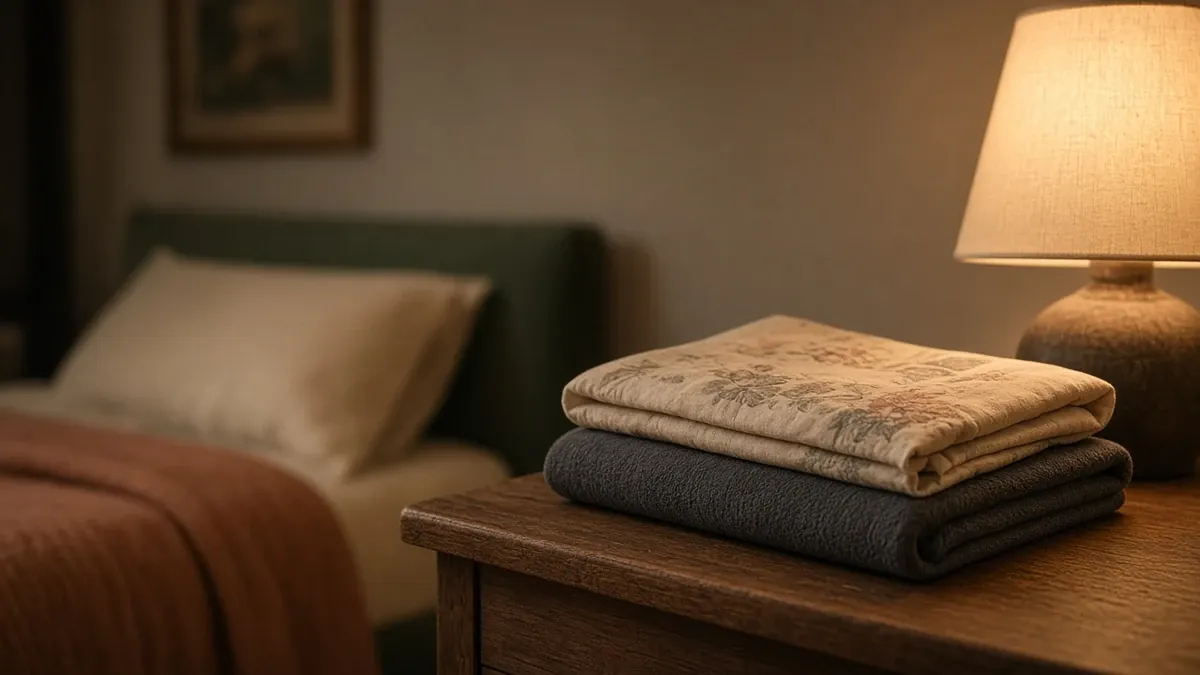
- Use a dark towel on nights you apply the oil.
- Let the blend soak in for a few minutes first.
- Choose an old or dark pillowcase.
- Wash your hands after applying, even if they look clean.
If you get a spot, act fast. First, blot away extra oil with a paper towel. Then wash the fabric as the care label suggests.
A drop of dish soap on the spot can help lift oily marks. After that, check the spot before you put the item in the dryer.
Also, keep the bottle cap wiped clean. A drip on the outside can mark a bathroom shelf or a wooden tray. For extra care, store the bottle on a small dish. That way, any drips land somewhere easy to wipe.
Storing Your Oil So It Stays Fresh
Plant oils can go stale, and this one is no exception. The review notes that the oil has many unsaturated fatty acids. It also says this leads to fast rancidity. In simple terms, the oil can spoil sooner than you might expect.
Heat, light, and air speed this up. So store your bottle in a cool, dark place. A closed cabinet works well.
Also, close the cap tightly after each use. Some labels suggest the fridge, so check yours.
Watch for these signs of an old oil:
- A sharp, bitter, or paint-like smell.
- A sticky feel that was not there before.
- A clear change in color or clarity.
If you notice any of these, it is time to replace it. Since a little oil goes far, a small bottle is often the best buy. That way, you use it up while it is still fresh. Meanwhile, keep it away from kids and pets.
Who Should Be Careful
Plant oils are natural, but natural does not mean risk-free. Some people should take extra care. First, anyone with a known allergy to sea buckthorn berries should skip it. Likewise, if you react to other plant oils, go slowly.
Also take care if any of these apply to you:
- You have very sensitive or easily irritated skin.
- You are using strong skin products from a dermatologist.
- Your skin is broken, cracked open, or freshly shaved.
- You plan to use it near your eyes.
- You are buying it for a child.
- You are pregnant or breastfeeding. Ask your doctor before you try a new skin oil.
The American Academy of Dermatology (AAD) gives a clear tip for new products. Test them first on a small spot. It also warns that products with plant-based ingredients may still hold fragrance-related ingredients. So read the full label, even on a "natural" oil.
Never apply the oil to open wounds. Also keep it out of your eyes. If it gets in your eyes, rinse with cool, clean water. Finally, remember that a cosmetic oil is for comfort and look, not for skin conditions.
When to See a Doctor
Most mild reactions settle once you stop a product. Still, some signs need a professional. First, always patch test before using any new oil on your face.
The AAD suggests this patch test method:
- Pick a quarter-sized spot, like your inner arm or elbow bend.
- Apply your normal amount twice a day.
- Keep going for seven to 10 days.
- If no redness, itching, or swelling shows up, you can use it.
- If a reaction shows up, wash it off and stop using it.
So when should you call a doctor? Contact a doctor or dermatologist if you see any of these:
- Redness, swelling, or itching that does not settle.
- A rash that spreads beyond the test spot.
- Pain, burning, or blisters.
- Eye pain or blurred vision after contact.
The AAD adds that a severe reaction may need a dermatologist. Also, if you are not sure what caused a reaction, a dermatologist can help find out. Finally, for any skin condition, ask a doctor before trying new oils. A cosmetic is not a substitute for medical advice.
Sea Buckthorn Oil FAQ
Is sea buckthorn oil good for winter-dry skin?
Many people like sea buckthorn oil in a winter routine. The published review notes it appears in products for dry, rough skin. Still, results vary by person. So patch test first and judge by how your skin feels.
Does sea buckthorn oil stain skin if diluted?
It is much less likely to stain when diluted. A single drop in cream spreads the pigment thin. As a result, the tint looks pale or barely visible. Pure fruit oil, however, can leave a clear orange tint.
What is the difference between fruit oil and seed oil?
Fruit oil comes from the berry pulp. It is thick and deep orange. Seed oil comes from the seed and holds far less pigment. So seed oil is the easier choice if you dislike color.
Can you use sea buckthorn oil on your face every day?
Some people do, once they know their skin likes sea buckthorn oil. However, start with a few nights a week. Then watch for dryness, tint, or irritation. Always follow the label on your own bottle.
How do you remove the orange tint from skin?
Use a gentle cleanser or a little plain oil first. The pigment dissolves in oil, not water. Then rinse and wash as normal. Most light tint fades after a wash.
How long does an opened bottle last?
It depends on the oil and how you store it. Check the best-by date on the label. Also, store it cool and dark with the cap closed. If it smells sharp or stale, replace it.
Final Thoughts
Sea buckthorn oil is a fun, colorful pick for cold months. It comes from a tough, thorny shrub with bright orange berries. Better yet, it is easy to use once you know the rules. The main rule is simple: respect the color.
Here is the short version. Pick seed oil if you want less tint. Choose fruit oil if you like the glow, but dilute it in cream.
Store it cool and dark. Above all, patch test before your face, and keep it away from eyes and broken skin. The same patch test habit applies to a hypochlorous acid spray too.
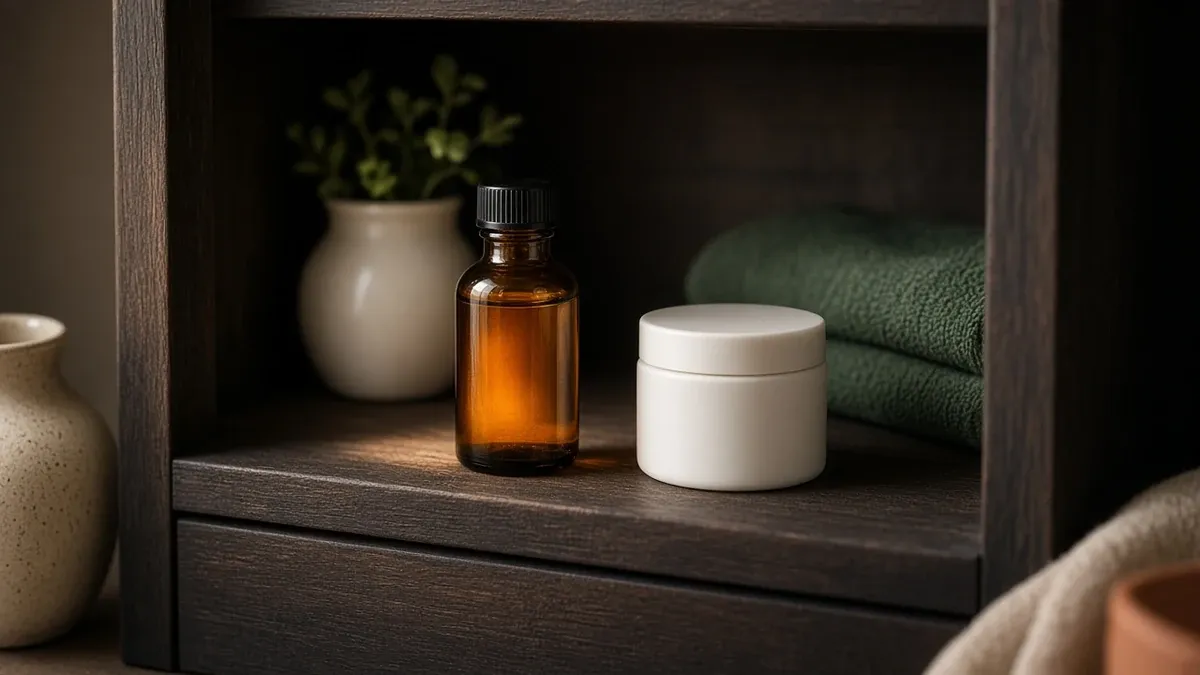
Now you know how to use sea buckthorn oil with care. You also know the answer to "does sea buckthorn oil stain skin." So start small, follow the label, and enjoy that warm, sunny color on a gray winter day.
You may also like
How to Use Gua Sha on Your Face: A Beginner's Step-by-Step Guide
How to use gua sha on your face: pick a jade gua sha or steel tool, find the best oil for gua sha, follow light strokes…
Hypochlorous Acid Spray for Sensitive Skin: A Simple Routine Guide
Learn how to place a hypochlorous acid spray in a short AM/PM routine, read the label, and know when to stop and ask a c…
Fall Skin Barrier Reset When Indoor Heat Starts
Indoor heat dries skin fast. Use this autumn barrier reset for gentle cleansers, rich creams, humidifiers, and two-week…