Clover Lawn: How to Overseed in Fall for a Low-Mow Yard
This clover lawn guide covers fall overseeding timing, microclover vs white clover, six planting steps, watering, mowing, weed control, and safety tips.
In this article
- What Is a Clover Lawn?
- Microclover vs White Clover: Key Differences
- Pros of a Clover Lawn
- Cons and Limits to Know First
- Why Fall Is the Best Time to Seed
- How to Plant Clover in an Existing Lawn
- Mixing Clover With Grass Seed
- Watering and Early Care After Seeding
- Mowing and Feeding a Clover Lawn
- Weed Control Without Losing Your Clover
- Who Should Be Careful
- When to See a Doctor
- Clover Lawn FAQ
- Your Fall Clover Plan
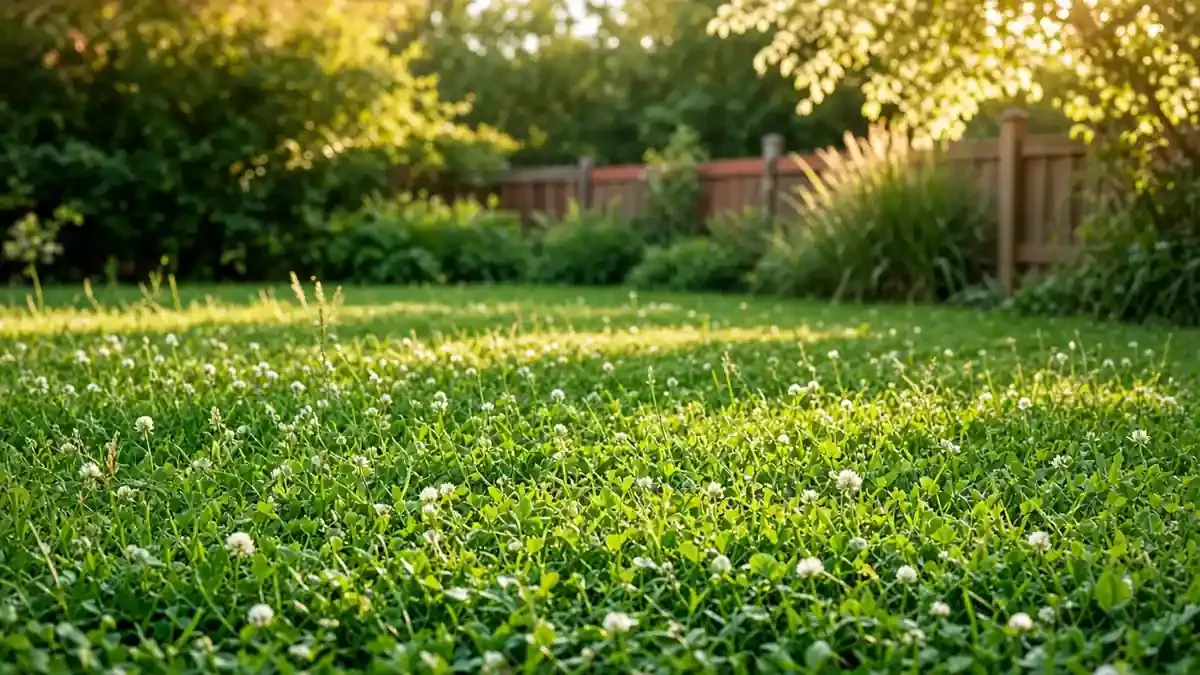
A clover lawn blends low-growing clover into your grass for a softer, greener yard. Fall is a smart time to start a clover lawn, because cool, moist soil helps the seed sprout. White clover was once a normal part of lawn seed mixes. Then broadleaf weed killers arrived in the 1950s, and clover got labeled a weed.
Now many homeowners want it back. Clover is a legume, so it teams up with soil bacteria to pull nitrogen from the air. As a result, it can cut how much fertilizer your grass needs. Still, clover has real limits with shade, heat, foot traffic, and winter dieback.
This guide shows you how to plant clover into the grass you already have, including tips on overseeding clover in fall. It also compares microclover vs white clover, so you can pick the right seed before you buy.
What you will get from this guide:
- A plain look at microclover vs white clover.
- Fall timing tips for overseeding.
- Clear steps on how to plant clover into grass.
- Honest pros and cons of a low-mow, low-fertilizer yard.
- Safety notes on bees, weed killers, and mowers.
What Is a Clover Lawn?
It is a grass lawn with clover mixed in. You are not replacing your turf. Instead, you add clover so the two plants share the same space.
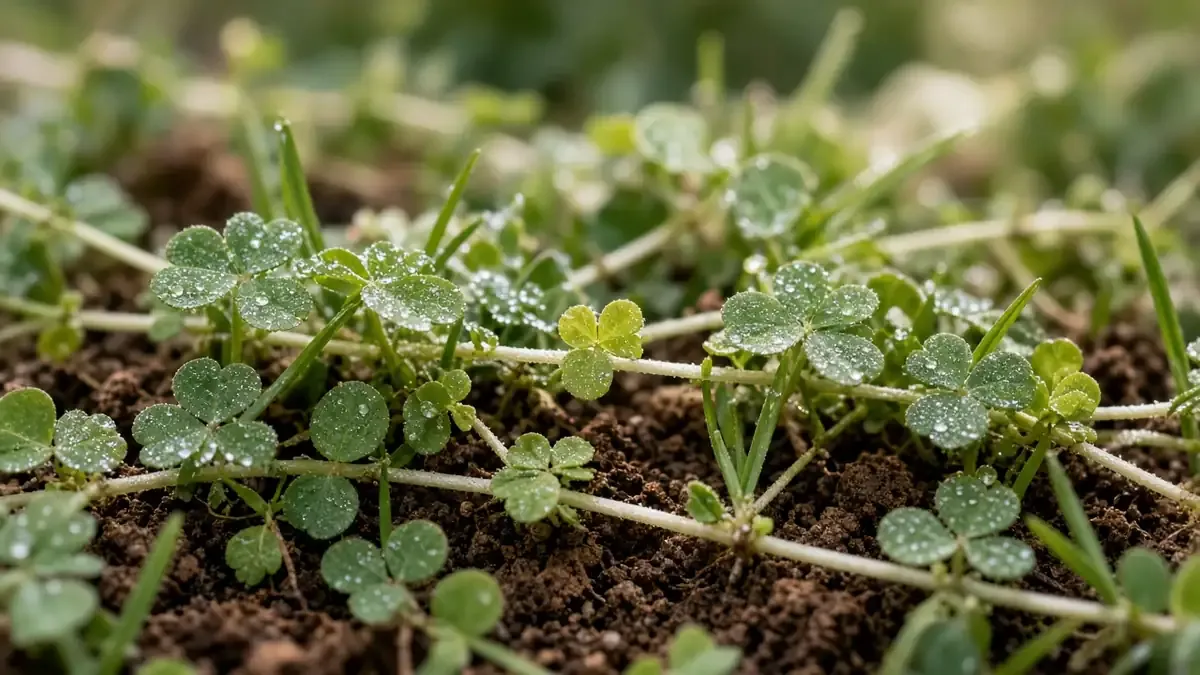
Most seed for this job is white clover, Trifolium repens. It is a perennial, so it lives for several years. It spreads by seed and by stolons, which are stems that creep along the soil and root as they go. According to the University of Maryland Extension, established patches can widen by a foot or more each year. Stems that root as they spread work much like the cuttings in this easy plant propagation guide.
So why mix instead of going all clover? Extension experts point to a few problems with pure stands.
For example, clover leaves die back in winter, which leaves soil bare. Bare soil can wash away and invite weed seeds. Clover also handles heavy foot traffic poorly. That is why a mixed clover lawn is the safer goal.
Microclover vs White Clover: Key Differences
Both plants are the same species. The difference comes down to size and habit. Microclover is a group of dwarf white clover types, such as 'Pirouette' and 'Pipolina'. Common white clover is often sold as Dutch white clover.
Here is a quick side-by-side look at microclover vs white clover, based on extension notes:
| Trait. | Microclover. | Dutch white clover. |
|---|---|---|
| Leaf size. | Smaller leaves. | Larger leaves. |
| Growth habit. | Lower, slower, less aggressive. | Sprawling, can form clumps. |
| Flowers. | Fewer flowers. | More flowers. |
| Mix with grass. | Blends more evenly. | Can crowd out struggling grass. |
| Seed cost and supply. | Pricier, harder to find in stores. | Cheaper, widely sold. |
In short, microclover is built to blend in. Meanwhile, Dutch white clover tends to take over thin spots. The University of Maryland Extension advises using dwarf microclover types when you add clover on purpose. That way, the clover does not compete too hard with your grass.
However, Dutch white clover still has a place. It offers more blooms for bees. It also costs less. If you want a looser, meadow-like look, it may suit you better.
Pros of a Clover Lawn
The biggest draw is less fertilizer. Clover fixes nitrogen, and that nitrogen slowly feeds nearby grass. Illinois Extension notes that clippings with microclover act as a natural source of nitrogen. As a result, you may cut back on how often you feed the lawn.
Here are the main upsides extension sources describe:
- Less nitrogen fertilizer. Clover supplies some of what the grass needs.
- Food for bees. Clover flowers feed bees and other pollinators.
- Weed competition. Microclover competes with weeds, so you may need less weed killer.
- Tough in poor soil. White clover tolerates clay, low mowing, and soil low in nitrogen.
- Even color. Microclover mixes well with grass and looks fairly uniform.
There is also a wider upside. Illinois Extension notes that cutting nitrogen use helps limit fertilizer runoff into waterways. So a clover lawn can be a small step for local streams.
That said, keep your hopes realistic. The University of Maryland Extension points out that clover flowers help some pollinators. Yet clover does not support wildlife as much as native plants do. So think of clover as a helpful upgrade, not a full habitat. For richer bee habitat, add a fall pollinator garden nearby.
Cons and Limits to Know First
A clover lawn is not a fit for every yard. Before you buy seed, check these limits against your site.
- Shade. Microclover has poor shade tolerance and thins out in shady spots.
- Heat and drought. It struggles in long hot, dry spells. Its shallow roots dry out fast.
- Winter dieback. Top growth dies in winter, which can leave bare patches.
- Foot traffic. Heavy play areas wear clover down quickly.
- Weed killers. Most broadleaf herbicides for lawns will kill clover.
- Reseeding. Microclover may need fresh seed every few years to persist.
A Fairfax County Master Gardener guide adds a useful detail. It says microclover tends to persist about two to three years. Therefore, plan to overseed now and then. The guide suggests checking in March, once leaves return, to see if bare spots need seed.
Also, consider your neighbors and any local rules. Some homeowner groups expect a pure grass look. Clover flowers will also draw bees, which matters if someone in your home has a sting allergy.
Finally, a clover lawn still needs mowing. You may mow less often, but you will not stop mowing for good. Any seller who promises a no-mow yard is overselling.
Why Fall Is the Best Time to Seed
Fall gives a new clover lawn the conditions it likes. White clover seeds sprout in cool, moist soil. The University of Maryland Extension says germination happens when soil sits at or above 50°F, usually in spring and autumn.
A Michigan State University Extension expert, writing for Ask Extension, prefers late summer to early fall. Weed competition drops as the season cools. Also, fall rain helps keep the seedbed damp. The same cool, damp weeks are a good time to plant garlic in fall too.
So what about late fall? Timing matters more than the calendar.
Your seedlings need enough warm-enough days to sprout and root before hard cold sets in. If you seed too late, soil may drop below that 50°F mark. Then the seed can sit idle until spring, or wash away.
Here is a simple way to judge your window:
- Check a soil thermometer in the morning for a week.
- Confirm readings stay at or above 50°F.
- Look up your average first frost date.
- Seed with several weeks of mild weather still ahead.
If your fall turns cold early, wait. Spring seeding works too. However, MSU notes that you should skip crabgrass preventers and broadleaf weed killers if you seed in spring.

How to Plant Clover in an Existing Lawn
Overseeding is easier than starting from scratch. Illinois Extension says no tilling is needed. MSU suggests using the same methods you would use for grass seed. Here is how to plant clover step by step:
- Mow low. Set your mower to its lowest setting. This cuts grass competition and lets light reach the soil.
- Rake. Pull out dead grass and loose debris so seed can touch soil.
- Core aerate. Aeration opens small holes and loosens packed ground. Seed settles into those holes.
- Spread the seed. Sow by hand for small areas. For larger lawns, use a broadcast spreader for even coverage.
- Press it in. Lightly rake or walk over the area. Good seed-to-soil contact matters most.
- Water right away. Soak the area gently after sowing.
As for amounts, follow the seed label. Rates vary by product and by whether you mix with grass seed. Meanwhile, don't guess high. Too much clover can crowd out your turf.
Next, check the seed tag for the date. Illinois Extension notes that microclover seed often comes coated with Rhizobium bacteria. Clover needs these bacteria to fix nitrogen, and they are sometimes missing in home lawn soil.
The Fairfax guide warns that this coated seed has a short shelf life. So buy close to planting day.
Once you know how to plant clover, the next question is balance.
Mixing Clover With Grass Seed
The goal is a lawn where grass leads and clover supports it. MSU recommends mixing clover with grass rather than growing 100% clover. That way, grass covers the soil when clover dies back in winter.
Microclover blends best with cool-season grasses. The Fairfax guide points to tall fescue, optionally blended with Kentucky bluegrass, as a good partner. Fall is also peak overseeding time for these grasses. So you can refresh thin turf and add clover in one pass.
Keep the clover share small. The Fairfax Master Gardener guide warns that seeding 'Pirouette' above about 10 percent of the mix by weight may let it dominate. In other words, a little clover goes a long way. Check your product label for its own mixing advice.
Here are a few mixing tips:
- Blend clover and grass seed in a bucket before spreading. This keeps the mix even.
- Spread half the seed in one direction, then half crosswise.
- Mark tricky shady areas to seed with grass only.
Because clover dies back in cold months, grass keeps your soil covered. That is the real reason a mixed clover lawn holds up better than a pure stand.
Watering and Early Care After Seeding
A new clover lawn needs steady moisture. Illinois Extension says to water every day for the first 7 to 10 days. The soil should stay moist until the clover sprouts.
Light, frequent watering works best at this stage. You want damp soil, not puddles. However, rainy or cloudy stretches may mean you can skip a day.
After sprouting, young roots stay fragile. The Fairfax guide says new grass and clover roots cannot handle heavy traffic or drought stress for four to eight weeks. So keep kids and pets off the area when you can. Also, put off heavy yard work on fresh seed.
Watch for these early signs:
- Tiny three-part leaves. Clover seedlings show the classic trifoliate shape.
- Patchy spots. Bare areas may need a light reseed while soil stays warm enough.
- Dry crust. A hard surface means you need to water more often.
Next spring, look again. Clover leaves die back in winter, then regrow from the crown and stolons. Don't panic if the lawn looks thin in late winter. Instead, wait for spring growth before you judge your results.
Mowing and Feeding a Clover Lawn
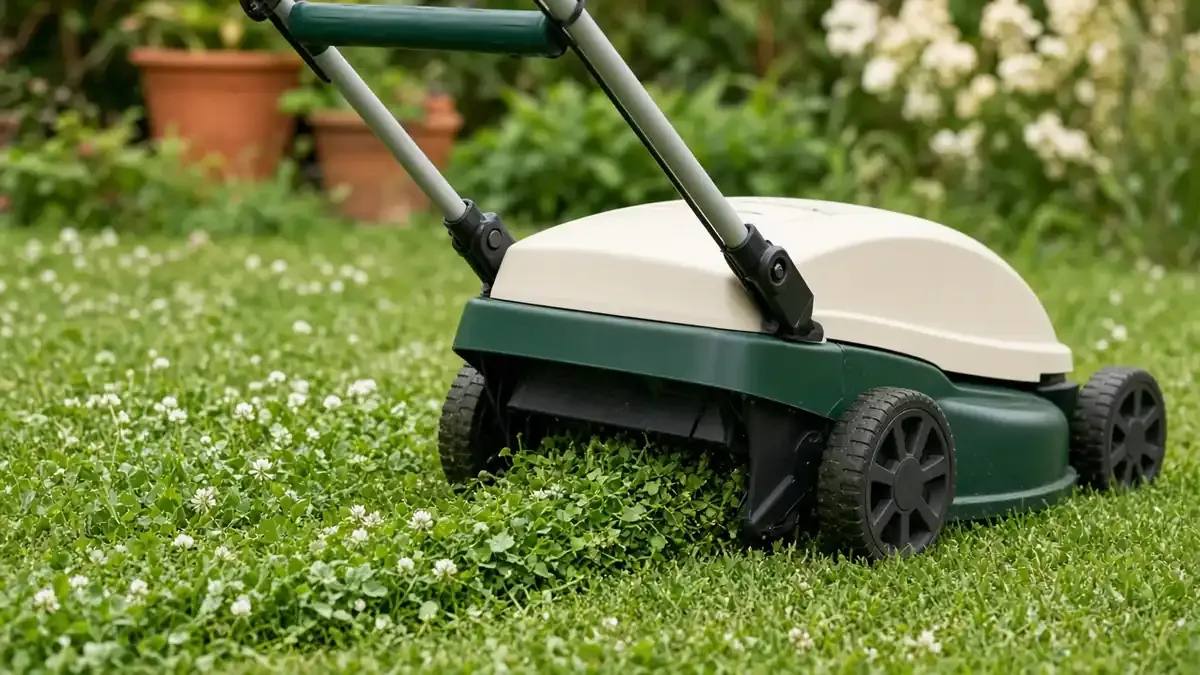
A mixed lawn still needs regular mowing. Yet you may mow it less often than pure grass. White clover tolerates low mowing, and microclover stays shorter than common clover.
That said, mow for the grass, not the clover. The Fairfax guide notes that tall fescue mowed at 3.5 inches competes well with weeds.
Microclover's small leaves and low growth help it survive at that height. Leave clippings on the lawn. They return nitrogen to the soil as they break down.
Feeding changes the most. Since clover adds nitrogen, you can usually cut back on fertilizer. Illinois Extension says clover clippings act as an organic nitrogen source. As a result, you may skip one or more feedings each year.
A soil test can show what your clover lawn actually needs. Also check soil pH. The Fairfax guide says the clover-bacteria partnership works best at a pH of 6.0 to 7.0. A simple soil test from your local extension office covers this.
Keep any feeding light and guided by that soil test. Extra fertilizer you don't need can end up as runoff. A low-fertilizer clover lawn simply needs a lighter hand.
Weed Control Without Losing Your Clover
This is where most clover plans go wrong. Common lawn weed killers target broadleaf plants. Clover is a broadleaf, so those products usually kill it too.
Read every label before you spray. Many "weed and feed" products contain broadleaf herbicides. Illinois Extension notes that most broadleaf herbicides labeled for lawns will kill microclover. Therefore, skip them on any area with clover.
So how do you manage weeds instead? Start with thick turf.
The University of Maryland Extension says dense grass crowds out weed seedlings. Mowing high, core aerating, and overseeding in autumn all help. In addition, microclover itself competes with weeds.
For the weeds that slip through, try these steps:
- Pull young weeds by hand when the soil is moist.
- Use a manual weeding tool for deep roots.
- Reseed bare spots quickly so weeds have no room.
- Check local rules first, since some areas restrict lawn pesticides.
If you must use an herbicide, spot-spray only the weed. Even then, expect clover nearby to suffer. Overall, a clover lawn works best with a hands-on, low-chemical routine.
Who Should Be Careful
A clover lawn is low-risk for most people. Still, some households should plan ahead.
- People with bee sting allergies. Clover flowers attract bees. Mowing before bloom cuts down on flowers.
- People with pollen allergies. Clover is a flowering plant. Sensitive people may notice symptoms during yard work.
- Families with young kids. Barefoot play on blooming clover raises sting risk. Shoes help.
- Anyone using lawn chemicals. Herbicides and fertilizers can irritate skin, eyes, and lungs. Follow the label for gloves and timing.
- Anyone running a mower or aerator. Moving blades and tines can cause serious injuries.
Next, think about where clover goes. Keep it away from play areas if stings are a concern. Instead, plant grass-only zones near swings or patios. You can also mow more often in summer to limit blooms.
Finally, store seed, fertilizer, and any pesticides out of reach of children. Keep products in their original containers with labels intact.
When to See a Doctor
Most yard mishaps are minor. However, some signs need medical care right away.
Call emergency services if someone has trouble breathing after a sting. Swelling of the face, lips, or throat is also an emergency. So are dizziness and hives that spread across the body. These can signal a severe allergic reaction.
See a doctor if you notice any of these:
- A sting site that swells a lot, spreads, or looks infected after a few days.
- Allergy symptoms during yard work that don't fade or keep getting worse.
- Skin rash, eye pain, or breathing trouble after handling lawn chemicals.
- A deep cut, crushed finger, or eye injury from a mower, trimmer, or debris.
If someone swallows a lawn product, call Poison Control or emergency services. Bring the product label with you. It lists the ingredients doctors need.
Above all, prevention helps most. Wear closed shoes, eye protection, and gloves. Also, keep everyone away from the mower while it runs.
Clover Lawn FAQ
Does a clover lawn mean you never have to mow?
No, you still need to mow. Clover stays low, so you may mow less often. Yet the grass in your mix keeps growing. Plan on a regular, lighter routine.
Can you seed clover in late fall?
You can, but timing is tight. Clover seed sprouts when soil stays at or above 50°F. If the soil is colder, wait until spring instead.
Which is better for a small yard, microclover or Dutch white clover?
Microclover usually fits small, tidy yards better. It stays lower and blends with grass. Dutch white clover suits a looser, more flowery look.
Will clover take over your grass?
It can, if the grass is thin or you seed too much. Use only a small share of clover seed. Then keep your grass thick with fall overseeding.
Does a clover lawn still need fertilizer?
Probably less, but maybe some. Clover adds nitrogen through its roots and clippings. A soil test shows what your lawn still needs.
Why does a clover lawn look brown in winter?
That is normal. Clover leaves die back when it gets cold. The plants regrow from their stolons and crowns in spring.
Your Fall Clover Plan
Start with an honest look at your yard. Sunny areas with moderate foot traffic suit clover best. Shady corners and heavy play areas need grass or other ground covers.
Next, settle the microclover vs white clover question. For a neat mixed lawn, microclover is usually the better fit. For more blooms and lower cost, Dutch white clover may work.
Then follow the steps on how to plant clover in early to mid fall. Mow low, rake, aerate, seed, and water. Afterward, keep the soil moist and stay off the new growth.
Finally, set fair expectations. A clover lawn is a low-mow lawn with less fertilizer and fewer chores. Still, it needs mowing, some reseeding, and smart weed control. With that balance, your yard can stay green with a lighter touch.
You may also like

Plant Propagation for Beginners: 8 Easy Houseplants From Cuttings
New to plant propagation? Learn water and soil rooting, eight easy houseplants to grow from cuttings, an indoor fall set…

Fall Foraging for Beginners: Wild Plant IDs, Ethics & October
A beginner fall foraging guide: build field guides, learn edible wild plants, spot poisonous berries, follow land rules,…
Indoor Herb Garden Before Frost: Cuttings and Light
Pot one clean herb or root a few green stems this weekend, then set it in real sun or under a basic lamp before nights t…