Mushroom Coffee: Is It Worth It? Taste, Caffeine & Labels
Mushroom coffee mixes beans with lion's mane, chaga, reishi, or cordyceps. Compare taste, caffeine, organic labels, and safety notes before you buy a bag.
In this article
- What Is Mushroom Coffee?
- The Mushrooms You Will See Most Often
- How Mushroom Coffee Is Made
- Taste: What to Expect in the Cup
- Does Mushroom Coffee Have Caffeine?
- Lion's Mane Coffee and Other Single-Mushroom Labels
- USDA Organic Labels: What to Check
- Cost: What Affects the Price
- Honest Pros and Cons
- Who Should Be Careful
- When to See a Doctor
- Label Checklist Before You Buy
- Common Mistakes Shoppers Make
- Mushroom Coffee FAQ
- Is Mushroom Coffee Worth Trying?
Mushroom coffee blends coffee with powdered mushroom extracts such as lion's mane, chaga, reishi, or cordyceps. Before you buy a bag, it helps to know what the drink actually contains, how it tastes, and how to read the label.
This mushroom coffee guide compares caffeine, USDA Organic claims, and honest pros and cons. It also flags who should talk with a doctor first. You will not find brand names, miracle claims, or invented prices here.
Many blends still start with real coffee beans. So the drink can taste familiar, yet the mushroom powder changes texture, aroma, and cost. Meanwhile, other products use coffee alternatives and add mushroom extracts only.
What you will get from this guide:
- A clear definition of the drink and common fungi used.
- How extracts and powders get mixed into coffee or alternatives.
- Taste notes and caffeine comparisons with regular coffee.
- USDA Organic label categories and what to check.
- Honest pros, cons, and safety questions for a doctor.
What Is Mushroom Coffee?
Mushroom coffee mixes coffee with mushroom powders or extracts. For example, brands list lion's mane, chaga, reishi, cordyceps, or a mix of several.
However, the mushrooms do not replace the coffee plant. Instead, makers dry mushroom fruiting bodies or mycelium, then grind them or concentrate them into extracts. Those extracts join ground coffee, instant coffee, or a coffee-free base.
So the drink sits between a beverage and a supplement-style product. Some bags look like ordinary ground coffee. Others look like single-serve packets. Also, some products skip coffee beans and use chicory, cacao, or similar bases.
Therefore, when you shop, look past the front of the bag. Also, the ingredient list tells you whether coffee comes first, how many mushrooms appear, and whether fillers or flavors sit in the mix. That habit matters more than any slogan on the pouch.
The Mushrooms You Will See Most Often
Again, four names show up often. Each one is a different fungus.
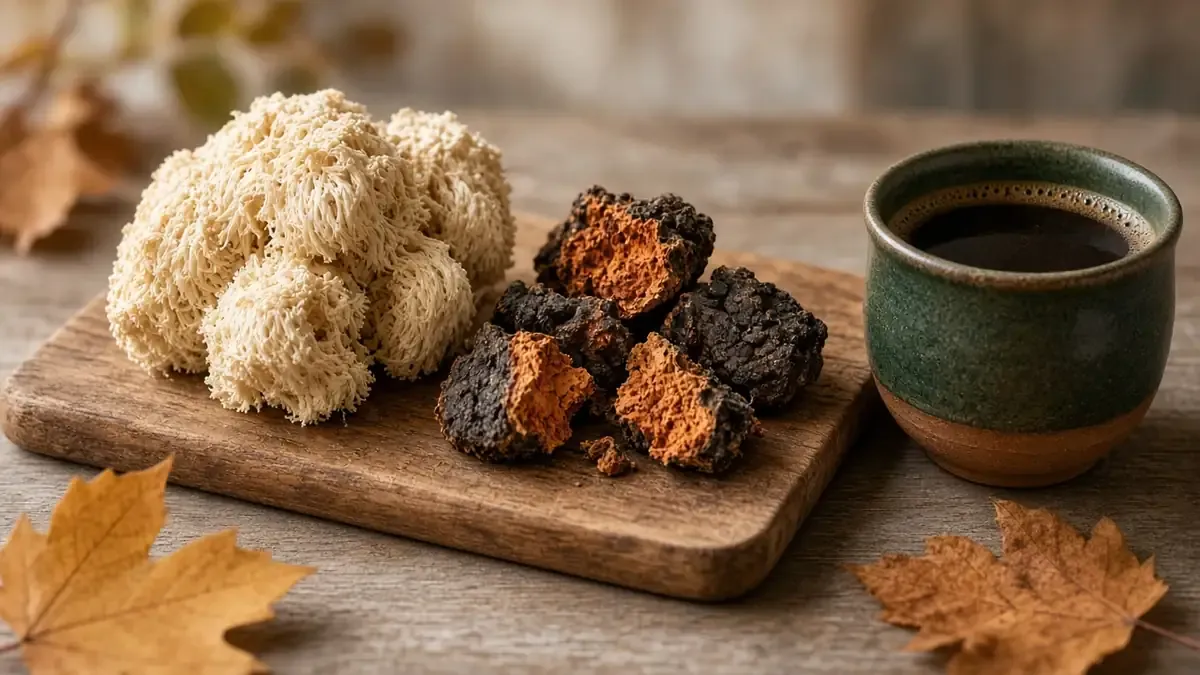
Lion's mane (Hericium erinaceus) is a white, shaggy edible mushroom. Marketing often highlights lion's mane coffee blends. Memorial Sloan Kettering Cancer Center (MSKCC) notes that lion's mane comes as food, tea, and supplements. It advises talking with doctors before using supplements.
Chaga (Inonotus obliquus) grows on birch trees in cold climates. MSKCC's chaga page describes powdered forms and flags interactions and oxalate-related kidney concerns in case reports.
Reishi (Ganoderma lucidum and related species) appears in many traditional systems. MSKCC's reishi page lists possible side effects and interactions with blood thinners and immunosuppressants.
Cordyceps refers to fungi such as Ophiocordyceps sinensis and related products. MSKCC's cordyceps page notes possible effects on blood sugar medicines and blood thinners.
None of these pages turn the blend into a proven health product. They mainly describe traditional use, limited research, and safety notes. So keep that frame in mind as you read marketing claims. For another kitchen herb project, see this kitchen herbal apothecary guide.
How Mushroom Coffee Is Made
So makers follow a few common paths. The details change the taste and the label.
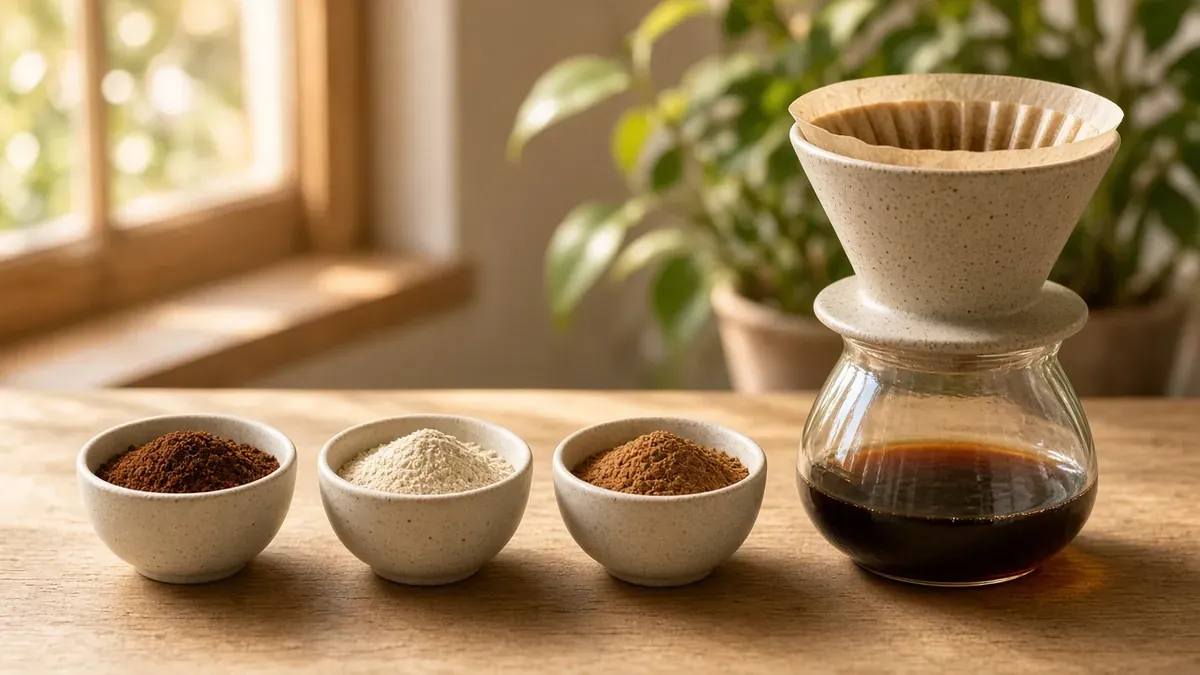
First, they produce a mushroom powder or extract. Hot-water extracts, ethanol extracts, or dual extracts pull different compounds from the mushroom. Fruiting-body powders and mycelium-on-grain powders also differ. The mushroom coffee bag should say which form you get.
Next, they blend that powder with coffee or a coffee alternative. Instant formats dissolve in hot water. Meanwhile, ground blends brew in a drip maker, pour-over, or French press. Packets often mix with hot water or milk alternatives.
Finally, they package and label the product. Some items sell as conventional foods. Others market more like supplements. Under U.S. law, FDA states that it does not approve supplements before they go on the market. Firms remain responsible for the safety and labeling of their products.
Because processes vary, two bags with the same category label can taste and feel very different. Compare extract type, coffee ratio, and serving size before you choose a mushroom coffee.
Taste: What to Expect in the Cup
Taste is personal, yet a few patterns repeat. Coffee still leads in most blends.
For example, many drinkers notice a mild earthy note behind the coffee. Chaga and reishi often taste more bitter or woody. Lion's mane usually sits milder. Cordyceps can add a faint savory edge. Still, roast level and coffee origin often drown out subtle mushroom notes.
Texture can change, too. Besides, fine powders may leave a slight grit if they do not dissolve fully. Instant formats usually feel smoother. Plus, milk, oat milk, or a splash of cream can soften bitterness for some people.
If you dislike strong mushroom flavors, start with a blend that lists coffee high on the ingredient list. Then adjust brew strength. Oversteeping can pull more bitterness from both coffee and mushrooms.
So mushroom coffee taste tracks your brew habits as much as the fungi list.
Also, water temperature and grind size change the cup almost as much as the mushroom mix. Cooler water can taste flatter, while very hot water can pull more bitterness. As a result, brew the first cup the same way you brew regular coffee, then tweak one variable at a time.
Does Mushroom Coffee Have Caffeine?
In short, yes — if the blend includes regular coffee. The question does mushroom coffee have caffeine depends on the base.
Most products in this category mix mushroom extracts with caffeinated coffee. In that case, you still get caffeine from the beans. Also, amounts vary by roast, brew method, and how much powder you scoop.
The FDA lists typical caffeine in a 12-fluid-ounce serving of regular brewed non-specialty coffee at about 113 to 247 mg. The same page cites 400 mg a day for most adults as an amount not generally linked with negative effects. It also notes wide differences in sensitivity. Decaf coffee still contains some caffeine; the FDA example for decaf is about 2 to 15 mg in an 8-fluid-ounce cup.
So does mushroom coffee have caffeine when the bag says "decaf"? Likely a little, unless the product uses a truly caffeine-free alternative base. Always read the mushroom coffee label for "decaf," "caffeine-free," or a stated milligram amount.
Instead, coffee-free mushroom drinks are different. If the base is chicory or another caffeine-free plant, the cup may have little or no caffeine from coffee. Mushrooms themselves are not a major caffeine source in these drinks. Therefore, does mushroom coffee have caffeine is really a label question, not a yes for every jar.
| Drink type | Typical caffeine note (sourced) | What to check |
|---|---|---|
| Regular coffee base | FDA: ~113–247 mg per 12 fl oz brewed coffee | Scoop size and brew strength |
| Decaf coffee base | FDA: ~2–15 mg per 8 fl oz decaf coffee | "Decaf" still has some caffeine |
| Coffee-free alternative | Often little or no coffee caffeine | Ingredient list and any mg claim |
Lion's Mane Coffee and Other Single-Mushroom Labels
Meanwhile, shoppers often search for lion's mane coffee specifically. That label usually means coffee blended mainly with lion's mane extract or powder.
Lion's mane coffee still follows the same rules as any blend in this category. Check whether coffee or the mushroom comes first on the ingredient list. Also check extract type and serving size. Yet a front-of-bag photo does not prove a high mushroom amount.
MSKCC lists possible side effects for lion's mane such as abdominal discomfort, nausea, and skin rash in a clinical study context. It also advises telling doctors about any supplements you take. That advice applies whether you buy lion's mane coffee or a multi-mushroom blend.
MSKCC notes that most reported effects of lion's mane come from preclinical lab and animal studies, with limited clinical data.
Other single-mushroom labels work the same way. A chaga coffee or reishi coffee is still a blend. Compare them by ingredients, caffeine, and organic claims rather than by the mushroom name alone.
If you want to try lion's mane coffee, buy a small bag first. Stop if you notice a rash, stomach upset, or other new symptoms.
USDA Organic Labels: What to Check
So organic claims follow USDA rules. The seal and the wording are not the same thing.
According to the USDA Agricultural Marketing Service, a USDA-accredited certifying agent must review organic product labels. The agent must approve those labels before use. The agency describes several label categories:
- "100 Percent Organic" — all ingredients are organic (excluding salt and water).
- "Organic" — at least 95 percent organic ingredients (excluding salt and water).
- "Made with Organic ______" — at least 70 percent organic ingredients; this claim must not use the USDA organic seal.
When you buy a bag, look for the exact phrase and the certifier name. Also, scan the ingredient list for which parts are organic — the coffee, the mushrooms, or both. A bag can hold organic coffee and non-organic mushroom extract, or the reverse, depending on the certification path.
Organic labeling speaks to production under the National Organic Program. It does not prove that a blend will taste better or deliver any health outcome. Use the claim as one shopping filter among several when you compare mushroom coffee options. If you like hands-on organic projects, try this beginner beeswax wraps guide.
Cost: What Affects the Price
Mushroom coffee often costs more than plain coffee. Exact shelf prices change by store and brand, so this section stays general.
Several factors raise cost. Mushroom extracts take extra processing. Smaller batch sizes raise per-cup price. Organic certification adds supply-chain requirements. Single-serve packets also cost more per serving than bulk bags in many categories.
Moreover, specialty mushrooms and dual extracts can push price higher than simple powders. Also, shipping and packaging play a role as well. Therefore, a pretty pouch does not always mean a better cup.
To compare value without chasing a fixed dollar figure, convert to cost per cup. Divide the package price by the number of servings on the label. Then compare that figure with your usual coffee. Also note whether you need add-ins to make the taste acceptable.
Meanwhile, watch for tiny serving sizes that make a bag look cheap until you do the math. If two products cost a similar amount per cup, prefer the clearer label. Look for named mushrooms, extract type, caffeine info, and a verified organic claim if that matters to you.
Honest Pros and Cons
A fair look at the category helps you decide. Here is a balanced list.
Possible upsides
- Familiar coffee ritual with a new flavor angle.
- Easy to try in small amounts.
- Organic options exist for shoppers who want them.
- Decaf and coffee-free versions exist for caffeine-sensitive people who still want the format.
Clear downsides
- Usually costs more per cup than plain coffee.
- Taste may feel earthy or bitter to some drinkers.
- Product quality and mushroom content vary widely.
- Marketing claims often outrun the limited research.
- Extra ingredients may not suit people with mushroom allergy or certain medicines.
However, research on these mushrooms remains limited for many marketed uses. MSKCC pages summarize traditional uses and early studies, yet they also urge safety talks with clinicians. So view these blends as specialty drinks first, not as a substitute for medical care. For more seasonal kitchen ideas, explore this simple guide to fall ferments.
Who Should Be Careful
Some people should pause and ask a doctor before trying a blend. Review this list.
- Pregnancy or breastfeeding: Researchers still know little about concentrated mushroom extracts in pregnancy. Ask your doctor first.
- Caffeine sensitivity: If the blend uses regular coffee, caffeine still applies. The FDA notes that people vary widely in caffeine sensitivity.
- Blood thinners: MSKCC warns that chaga, reishi, and cordyceps may increase bleeding risk. It advises talking with a doctor if you take anticoagulants such as warfarin.
- Diabetes medicines: MSKCC notes that cordyceps and chaga may affect blood sugar medicines. Clinical relevance is not fully known, so ask your doctor.
- Immunosuppressants: MSKCC says reishi may not be safe for people on immunosuppressants.
- Kidney stone history or kidney disease: MSKCC reports oxalate nephropathy case reports after high, long-term chaga powder intake. Ask your doctor before using chaga products.
- Mushroom allergy: Skip products that contain fungi you cannot tolerate.
- Upcoming surgery: Because some mushrooms may affect bleeding risk, ask your surgical team first. Ask about stopping any mushroom products beforehand.
In short, talk to your doctor or pharmacist before taking any product that acts like a supplement. Do this especially if you use prescription medicines. Bring the ingredient list to the appointment so your doctor can see every mushroom named on the bag.
When to See a Doctor
Most healthy adults tolerate ordinary coffee without drama. New mushroom blends still deserve a cautious start.
Instead, contact a doctor if you notice:
- Rash, itching, swelling, or trouble breathing after a serving.
- Stomach pain, nausea, or vomiting that is new for you.
- Unusual bruising or bleeding, especially if you take blood thinners.
- Dizziness, a racing heart, or insomnia after a caffeinated blend.
- Any symptom that worries you after you start a new product.
Also talk with a doctor before you start if you have a chronic condition. Do the same if you take daily medicines or have a history of kidney stones. FDA advises consumers to talk to their doctor, pharmacist, or other health care professional first. Do this before you decide to purchase or use a supplement.
These drinks do not replace medical advice, diagnosis, or care from a licensed doctor.
Label Checklist Before You Buy
A short checklist keeps shopping honest. Use it every time.
- Confirm coffee vs coffee-free base.
- Note whether the product lists caffeine, decaf, or caffeine-free.
- List each mushroom by name, not just "mushroom blend."
- Check fruiting body vs mycelium and extract type if stated.
- Read the full ingredient list for fillers and flavors.
- Match any organic claim to USDA categories and look for a certifier.
- Compare cost per cup, not just bag price.
- Skip products that promise medical results.
This checklist also helps you compare lion's mane coffee with multi-mushroom blends. The clearer bag usually serves you better.
Furthermore, save a photo of the ingredient panel on your phone. That way, you can compare two products side by side at home. After all, front-of-bag art rarely shows the full story.
Common Mistakes Shoppers Make
Yet a few habits waste money. Avoid them early.
Assuming every blend is low caffeine is the biggest mistake. If coffee leads the blend, caffeine still counts toward your daily total. Likewise, another mistake is trusting the word "organic" alone. Check "100 percent," "organic," or "made with organic."
In addition, people also overlook serving size. A "serving" on one bag may use more powder than another. Likewise, some shoppers stack the drink with separate mushroom capsules and end up with a much higher intake than they planned.
Finally, buying for a health promise sets the wrong goal. Limited research and marketing hype do not equal proof. Buy mushroom coffee for taste and ritual, or skip it.
Mushroom Coffee FAQ
Does mushroom coffee have caffeine in every brand?
No. Caffeinated coffee bases contain caffeine. Decaf and coffee-free bases contain little or none from coffee. Always read the label.
Is mushroom coffee healthier than regular coffee?
Not automatically. Organic farming and extract quality differ by product. Research on market claims remains limited.
What is lion's mane coffee?
Lion's mane coffee is coffee blended with lion's mane powder or extract. Handle it like any other blend: check ingredients, caffeine, and safety notes.
Can kids drink mushroom coffee?
This guide is for adults. Caffeine and mushroom extracts raise different concerns for children. Ask a pediatric doctor.
How should you store an opened bag?
Keep it sealed, cool, and dry, away from moisture and strong odors. Follow any storage line on the package.
Who should skip mushroom coffee?
Skip it if you have a mushroom allergy. Also ask a doctor first if you avoid caffeine or take interacting medicines.
Is Mushroom Coffee Worth Trying?
So worth depends on your goal. If you want a new coffee ritual and accept a higher cost, a blend like this can be an interesting experiment.
However, if you want proven medical outcomes, the evidence is not there in a clear, settled way. Stick with taste, label clarity, and safety. Compare caffeine with your usual cup. Check USDA organic wording if that matters. Then decide with a clear head.
Try a small mushroom coffee bag first. Notice flavor, stomach comfort, sleep, and any skin reaction. If anything feels off, stop and talk with a doctor. That careful approach is the smartest way to judge a new blend for yourself.
You may also like
How to Make Beeswax Wraps: Beginner Fall Batch
A weekend tray of cotton squares can cover cooled bread, cheese, and bowls. Save the mix that grips, then wash only with…